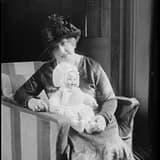
Patented a telescoping parasol with detachable, interchangeable snap-on cloth covers (US 1,079,240) — her first major commercial hit.
On November 18, 1913, Henry received U.S. Patent 1,079,240 for an innovative parasol design featuring a telescoping frame paired with detachable, snap-on fabric covers available in multiple colors, plus a stylish vanity-case handle. The concept allowed a single parasol frame to be quickly customized to match different outfits simply by swapping the snap-on cover — an early example of modular, interchangeable consumer product design.
The snap-on parasol became Henry's first major commercial success, reportedly earning her around $50,000, a substantial sum in the 1910s. Its popularity demonstrated that a woman inventor, working outside the traditional engineering establishment, could translate a clever mechanical idea into a genuine market success accepted by manufacturers and consumers alike.
Beyond its commercial impact, the parasol patent illustrated Henry's recurring design philosophy: taking a familiar object and re-engineering it for versatility, convenience, and personal style. It foreshadowed her later ventures into umbrella and accessory manufacturing, including the eventual founding of her own company, the Henry Umbrella and Parasol Company, in 1921. The success of this single patent helped establish her reputation and financial independence as an inventor at a time when few women held patents of any kind, let alone ones that achieved commercial popularity.