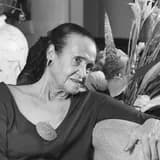
Death of Beryl McBurnie, pioneering Trinidadian dancer and founder of the Little Carib Theatre.
30 March 2000 marks the death of Beryl McBurnie, ending a long life devoted to Caribbean dance, performance, and cultural preservation. By the time of her death, she had been celebrated as a pioneering artist, teacher, and institution-builder whose influence stretched across Trinidad and Tobago and the wider Caribbean.
Her death is historically significant because it closed the career of a woman who had transformed the cultural status of folk dance. McBurnie helped shift local performance from a colonial-era fringe activity into a respected national art form. Through the Little Carib Theatre, dance research, and public performance, she created a legacy that outlived her and continued to shape Trinidadian artistic life.
McBurnie’s life had unfolded during decades of intense social change, including the rise of anti-colonial consciousness and the emergence of Trinidad and Tobago as an independent nation. She worked in an environment where Black women artists faced substantial barriers to recognition, funding, and authority. Her career overcame those obstacles through persistence, charisma, and institutional vision. At her death, she was remembered not only as a dancer but as a cultural founder whose work helped define a national tradition.