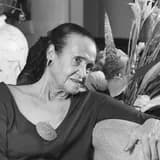
Birth of Beryl Eugenia McBurnie in Trinidad, later a pioneering Caribbean dancer and cultural advocate.
2 November 1913 marks the birth of Beryl Eugenia McBurnie in Trinidad, the woman who would become one of the most influential figures in Caribbean dance and cultural nationalism. Born into a colonial society that often privileged European arts over local expression, McBurnie later became a central advocate for the legitimacy of Trinidadian and wider Caribbean folk performance. Her early life and the cultural environment of Trinidad helped shape her lifelong commitment to researching, staging, and preserving indigenous dance traditions.
Her birth is historically significant not only because it identifies the starting point of an important artistic life, but because it anchors the timeline of a career that helped transform the status of folk dance from something dismissed by colonial elites into a respected art form. McBurnie’s work would eventually influence dance, theatre, and national identity in Trinidad and Tobago and across the Caribbean. In an era when women performers, especially Black women, faced barriers of class, race, and colonial cultural hierarchy, McBurnie emerged as a public cultural leader.