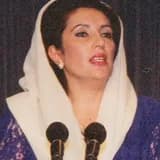
Following parliamentary elections, Bhutto was elected Prime Minister, becoming Pakistan's first woman PM and first woman elected to lead a Muslim-majority country.
On November 16, 1988, Benazir Bhutto's Pakistan Peoples Party (PPP) won the largest bloc of seats in Pakistan's general elections, the first held after the death of military ruler General Zia-ul-Haq. This victory paved the way for Bhutto to be asked to form a government, making her the presumptive next prime minister.
This election result was historic on multiple levels: it marked Pakistan's return to civilian, democratic rule after eleven years of military dictatorship, and it positioned a 35-year-old woman to lead a nation of over 100 million people, the vast majority of whom were Muslim. She thereby became the first woman ever elected to lead a Muslim-majority country in the modern era, a milestone celebrated and scrutinized around the globe.
Her victory was deeply personal as well as political: she had inherited leadership of the PPP after her father's execution, and had endured years of house arrest and exile under Zia's regime advocating for democratic restoration. Her election symbolized the resilience of Pakistani democracy and challenged prevailing assumptions about women's roles in Islamic societies. It set a global precedent, inspiring women political leaders across the Muslim world and beyond, even as she would face intense political opposition throughout her tenure.