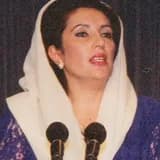
At age 35, Bhutto was sworn in as Prime Minister of Pakistan, becoming the first female PM of a Muslim-majority country and reputedly the youngest elected leader in the world at the time.
On December 2, 1988, Benazir Bhutto was formally sworn in as Prime Minister of Pakistan by President Ghulam Ishaq Khan, cementing her place in history as the first woman to serve as head of government of a Muslim-majority nation in the modern era. At just 35 years old, she was also widely reported at the time as the youngest person to lead a country through direct election.
Her swearing-in ceremony took place amid tight security and immense public attention, both domestically and internationally, as the world watched a young woman assume the highest elected office in a nuclear-armed, geopolitically pivotal nation. Her rise defied conventional expectations about the role of women in conservative, patriarchal, and religiously influenced societies.
Bhutto's premiership was constrained from the outset by an uneasy relationship with the military and intelligence establishment, as well as a president who retained significant reserve powers under the amended constitution. Nevertheless, her swearing-in remains one of the most symbolically significant moments in the history of women's political leadership, inspiring generations of women across South Asia and the broader Islamic world to pursue political office despite entrenched barriers.