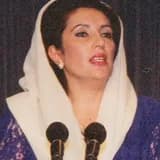
Benazir Bhutto was assassinated in Rawalpindi after a campaign rally, killed by gunfire and a suicide bombing as she left Liaquat National Bagh.
On December 27, 2007, Benazir Bhutto was assassinated in Rawalpindi shortly after addressing a campaign rally at Liaquat National Bagh ahead of Pakistan's scheduled January 2008 general elections. As she stood through the sunroof of her vehicle to wave to supporters, she was struck by gunfire, and moments later a suicide bomber detonated an explosive device near her vehicle, killing her and at least twenty other people.
Her assassination sent shockwaves across Pakistan and the world, triggering widespread rioting, national mourning, and an outpouring of grief from world leaders. The exact sequence and cause of her death — whether from gunshot wounds, the bomb blast, or a combination — was the subject of intense investigation and controversy, including a subsequent United Nations inquiry into the circumstances of the attack and the adequacy of security provided to her.
Her death occurred at a pivotal and volatile moment in Pakistani politics, as she had returned from exile just months earlier to contest elections and challenge the government of President Pervez Musharraf. Her assassination extinguished the possibility of a third term as prime minister and left a profound void in Pakistani politics. She was buried at the Bhutto family mausoleum in Garhi Khuda Bakhsh, Sindh. Her death remains one of the most significant political assassinations of the early 21st century, cementing her legacy as both a trailblazer for women's leadership and a martyr for democratic governance in Pakistan.