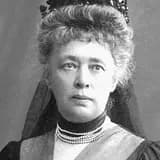
The 1905 Nobel Peace Prize was formally presented to Bertha von Suttner at a ceremony held on this date.
Although Bertha von Suttner was named the 1905 Nobel Peace Prize laureate in December of that year, the formal presentation ceremony — during which she received the physical award and diploma — took place on 16 April 1906. This gap between the announcement and the ceremonial presentation reflected the Nobel Committee's historical practice, particularly in its early decades, of separating the naming of laureates from the logistics of holding award events, especially for recipients who needed to travel internationally.
At the ceremony, Suttner was celebrated not only as an author and activist but as a trailblazing symbol: a woman honored on a global stage traditionally reserved for male statesmen, scientists, and diplomats. Her acceptance speech and public remarks reinforced her lifelong argument that international arbitration, disarmament, and organized peace movements were essential to preventing the catastrophic wars she had long warned against.
The presentation cemented her public identity as the leading female voice of the international peace movement, amplifying the reach of her books, journalism, and organizational work. It also had lasting symbolic value: it demonstrated to European and American audiences that a woman could be internationally recognized for shaping high politics and diplomacy, inspiring subsequent generations of women activists, including future Nobel Peace laureates such as Jane Addams and Emily Greene Balch.