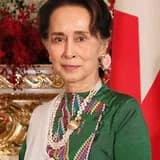
Suu Kyi and NLD MPs take their seats as a majority in Myanmar’s national parliament for the first time.
On 1 February 2016, Aung San Suu Kyi and hundreds of NLD legislators took their seats in Myanmar’s national parliament as a majority for the first time.
This followed the party’s 2015 electoral victory and marked the formal beginning of NLD dominance in the legislative branch, though the military still reserved a quarter of seats and controlled key ministries. Suu Kyi’s presence in parliament, after years spent under house arrest and as an opposition figure, symbolized a striking transformation in her political status.
Historically, this date represents a milestone in the country’s transition from direct military rule toward a hybrid civilian–military system. It enabled the NLD to influence legislation, select the president, and shape policy agendas, even within constitutional constraints.
From a women’s-history perspective, 1 February 2016 showcases a female leader moving from opposition into institutional power, accompanied by many other NLD members, including women, taking seats in parliament. It demonstrates the importance of electoral success translating into legislative representation and the role of women in consolidating fragile democratic gains.