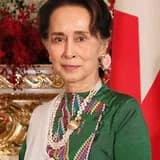
Suu Kyi is released from her third and longest period of house arrest, opening a new political phase.
On 13 November 2010, Aung San Suu Kyi was released once more from house arrest, ending her third and longest continuous period of detention, which had begun in 2003.
Her release came shortly after Myanmar’s controversial 2010 elections, which the NLD boycotted. Crowds gathered outside her home to celebrate, and she moved quickly to re-engage with party members and the public, though the political environment remained tightly controlled.
This event is historically significant because it marked the beginning of a new phase leading toward the partial political opening of the 2010s. Suu Kyi’s freedom allowed her to contest by-elections in 2012 and eventually assume leading roles in government, transforming her from long-term prisoner into office-holding politician.
For women’s history, 13 November 2010 symbolizes the transition of a female dissident from emblem of resistance to potential head of government. It also illustrates the endurance required of women in protracted struggles, as Suu Kyi had spent around 15 years in detention, most of it under house arrest, before re-entering formal politics.