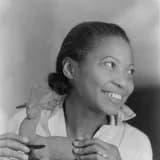
Savage became the first director of the Harlem Community Art Center, a WPA-backed training ground for Black artists.
On April 16, 1937, Augusta Savage became the first director of the Harlem Community Art Center, a WPA-sponsored institution that became one of the most important art training sites for African American artists in New York. The center grew out of Harlem’s artistic community and the organizing work of artists who wanted stable resources for Black cultural production.
This appointment was significant because Savage was not only a sculptor but also an arts administrator and teacher. Under her leadership, the center provided instruction, mentorship, and exhibition opportunities for young artists who were often shut out of mainstream schools and studios. In effect, it functioned as a rare public arts institution where Black creativity could be trained and sustained.
In the context of the New Deal, WPA programs expanded cultural employment, but access was still shaped by race and local politics. Savage’s leadership at Harlem Community Art Center represented a powerful example of Black women shaping public arts infrastructure and nurturing a generation of artists who would become central to American art history.