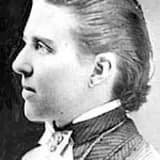
Arabella Mansfield became the first woman admitted to practice law in the United States, in Iowa.
On June 17, 1869, just two days after passing her examination, Arabella Mansfield was formally admitted by an Iowa court as an attorney at law, making her the first woman in United States history to be admitted to the bar. The presiding judge interpreted the existing statute's reference to "male" applicants expansively, ruling that the spirit of the law and principles of equal justice supported her admission despite the restrictive statutory language.
This ruling was a watershed moment in American legal history. Before 1869, no woman had been permitted to formally practice law in any U.S. jurisdiction; the legal profession, like medicine and the ministry, was considered an exclusively male domain grounded in contemporary assumptions about women's supposed intellectual and temperamental unsuitability for public professional life.
Mansfield's admission shattered this assumption in dramatic fashion and provided a legal precedent that other women across the country would cite in their own efforts to enter the profession. Although Mansfield herself devoted most of her subsequent career to teaching rather than active law practice, her admission proved that women could meet the same rigorous standards as men and stood as a powerful symbolic and legal breakthrough.
Her achievement directly inspired the swift legislative change in Iowa later that year and is recognized today as the founding moment of women's entry into the American legal profession, commemorated by bar associations, law schools, and women's history organizations nationwide.