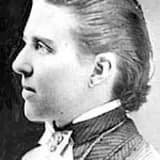
Following Mansfield's admission, Iowa amended its law making it the first state to statutorily open the bar to women and people of color.
In the months following Arabella Mansfield's historic bar admission, the Iowa legislature amended its statute governing admission to the legal profession. The revised law declared that "women and persons of color may be attorneys at law," formally removing the racial and gender restrictions that had previously confined the profession to white men.
This legislative change, enacted around September 1869, made Iowa the first state in the nation to statutorily guarantee women and people of color the right to practice law. While the court's ruling in Mansfield's individual case had already established a judicial precedent, the legislative amendment codified this right for all future applicants, ensuring the breakthrough would not be limited to a single favorable court interpretation that might later be overturned or ignored by a different judge.
The significance of this reform extended well beyond Iowa's borders. It provided a template and rallying point for women's rights advocates and reformers across the country who sought similar statutory changes in their own states. At a time when most professions remained legally or customarily closed to women and minorities, Iowa's swift legislative response to Mansfield's admission demonstrated that entrenched exclusionary practices could be challenged and overturned through a combination of individual courage and organized advocacy.
This event stands as one of the earliest instances of American civil rights legislation explicitly extending professional opportunity to both women and people of color in the same statutory provision.