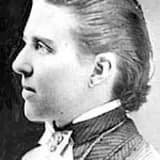
Mansfield sat for and passed the Iowa bar exam despite a statute limiting admission to male citizens.
On June 15, 1869, in Mount Pleasant, Iowa, Arabella Mansfield sat for the bar examination administered by the Henry County Bar Association. At the time, Iowa's statute governing admission to the bar explicitly limited the practice of law to "any white male person." Undeterred, Mansfield had spent nearly two years reading law in her brother Washington Babb's law office while continuing to teach at Iowa Wesleyan College.
Her examiners reportedly stated that her performance was exceptional — some accounts suggest she scored higher than many male candidates — and the examining committee, impressed by her preparation and legal knowledge, recommended her for admission despite the restrictive language of the law.
This event was a critical turning point: it forced the local court to confront the question of whether the word "male" in the statute could be read expansively, or whether a woman with demonstrated legal competence would be barred solely because of her sex. Mansfield's willingness to sit for the exam, knowing the legal obstacles she faced, exemplified extraordinary courage and confidence in an era when women were routinely excluded from professional life.
Her successful examination set the stage for the historic ruling just two days later that would make her the first woman admitted to practice law in the United States, and catalyzed a change in Iowa law that opened the profession to women statewide.