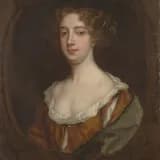
On 5 October 2018, an article reassessed Behn's legacy, reiterating claims she was the first Englishwoman to seek commercial publication and earn her living by writing.
On 5 October 2018, an article published on The Australian Legend blog offered a modern reassessment of Aphra Behn's life and legacy, reiterating the widely held scholarly view that she was among the first women in England — if not the first — to actively seek commercial publication and to support herself financially through professional writing.
Such contemporary reassessments, appearing in both academic and popular media, reflect the durability and continued relevance of Behn's story more than three centuries after her death. They typically revisit her unconventional biography: her possible work as an intelligence agent for Charles II in the Second Anglo-Dutch War, her imprisonment for debt after the Crown failed to pay her for espionage services, and her subsequent turn to playwriting and prose fiction as a means of survival and self-expression.
Articles of this kind contribute to keeping Behn's legacy alive in public consciousness outside of purely academic literary circles, often framing her as an early example of female entrepreneurship, resilience, and defiance of gender norms in professional life. They also frequently engage with ongoing debates about the ethics and limitations of Oroonoko as an antislavery text, situating Behn within nuanced, present-day conversations about race, gender, and authorship in the seventeenth century.