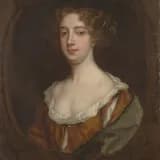
On 24 October 1929, Virginia Woolf's A Room of One's Own hailed Behn as the first Englishwoman to earn her living by writing, cementing her feminist legacy.
On 24 October 1929, Virginia Woolf's extended essay A Room of One's Own was published, based on lectures she had delivered at Cambridge the previous year. In it, Woolf famously wrote that "all women together ought to let flowers fall upon the tomb of Aphra Behn... for it was she who earned them the right to speak their minds." Woolf identified Behn as, in effect, the first Englishwoman to earn her living by the pen, a claim that would become one of the most repeated and influential characterizations of Behn in modern literary history.
This passage did more than praise an individual writer; it reframed Behn as a symbolic ancestor for all women seeking economic and creative independence through writing. Woolf's essay, itself a landmark feminist text arguing for women's need for financial autonomy and private space to create, used Behn's career as historical evidence that women's professional authorship was not merely a modern aspiration but had precedent stretching back over two centuries.
Woolf's invocation dramatically revived scholarly and popular interest in Behn, who had been variously dismissed, moralized against, or forgotten by many nineteenth-century critics due to the frankness of her work. Since 1929, Behn's reputation has been substantially rehabilitated, with her positioned as a foundational figure in the canon of women's literature — a legacy directly shaped by Woolf's rhetorical tribute.