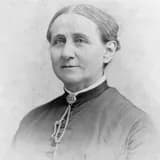
Her ordination made her the first woman to serve as minister of a recognized Protestant denomination in the United States.
The same ordination ceremony held on September 15, 1853, at the Congregational church in South Butler, New York, also secured Antoinette Brown's place in history as the first woman to become a minister of a recognized Protestant denomination in the United States. This distinction is significant because it separates her achievement from earlier instances of women preaching informally or leading small independent congregations without institutional denominational backing.
By being ordained within the Congregational tradition—an established, mainstream American Protestant denomination with formal governance structures—Brown's ordination carried institutional weight that individual acts of preaching could not. It represented a structural crack in the wall separating women from formal religious authority, rather than merely an exceptional personal achievement outside denominational recognition.
The ordaining minister, Reverend Luther Lee, delivered a sermon explicitly defending women's right to preach based on his reading of scripture, providing theological cover that helped legitimize the event within Protestant circles, even as it was fiercely criticized by others including prominent clergy who considered it heretical.
This milestone is frequently cited alongside her overall 'first ordained woman minister' status, as historical sources sometimes emphasize different aspects of the same event—her personal ordination versus her position within a recognized institutional denomination. Both framings underscore the singular importance of September 15, 1853, as a turning point in American religious and gender history.