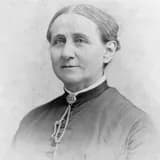
At age 95, Blackwell voted on November 2, 1920, reportedly the only first-generation suffragist alive to exercise the right she had fought for decades earlier.
On November 2, 1920, Antoinette Brown Blackwell, then 95 years old, cast her vote in the U.S. presidential election—the first held after the ratification of the Nineteenth Amendment to the U.S. Constitution, which guaranteed women the right to vote nationwide. This moment represented the culmination of a struggle Blackwell had participated in since the earliest years of the organized women's rights movement in the 1840s and 1850s.
According to biographical sources, Blackwell was believed to be the only member of the first generation of American suffragists—those active in the movement's founding decades alongside figures like Elizabeth Cady Stanton, Susan B. Anthony, and Lucy Stone—who lived long enough to actually exercise the right to vote that they had spent their lives fighting for.
This event carries profound symbolic and historical weight: Blackwell had co-founded and participated in early women's rights conventions, had been a close associate of pioneering feminists, and had endured decades of ridicule and social ostracism for her advocacy. Living to see and personally participate in the fruit of that labor—nearly seventy years after she began her public advocacy—makes her vote a poignant bookend to a lifetime of activism.
Blackwell died less than a year after this historic vote, on November 5, 1921, having witnessed the realization of one of the central goals of her life's work.