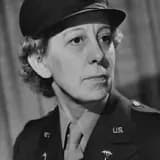
Birth of Annie Gayton Fox in Pubnico, Nova Scotia, Canada, to physician Charles James Fox and Deidamia “Annie” Gayton Fox.
On August 4, 1893, Annie Gayton Fox was born in Pubnico, Yarmouth County, Nova Scotia, Canada, to physician Dr. Charles James Fox and Deidamia “Annie” (Gayton) Fox.1 Her birth into a medical family at the end of the nineteenth century shaped the trajectory of a life that would become historically significant in military nursing.
Growing up as the daughter of a doctor in rural Nova Scotia exposed Annie to the realities of illness, injury, and community care at a time when women’s roles in professional medicine were still constrained.1 This environment likely fostered her interest in nursing and made a career in health service both visible and attainable, despite prevailing gender expectations. The era’s norms rarely encouraged women to pursue leadership in medicine or the military, yet her background offered an unusual foundation for such ambitions.
Annie’s birth date anchors her later achievements in a specific generational context: she would come of age during World War I, serve through World War II, and witness profound changes in both nursing and women’s status in the armed forces. Her Canadian origins, followed by later naturalization and U.S. military service, also highlight the transnational character of North American military nursing in the twentieth century.
From this beginning in 1893, Annie Fox would go on to become a chief nurse in the U.S. Army Nurse Corps, distinguish herself at Hickam Field during the attack on Pearl Harbor, and be recognized as the first woman to receive the Purple Heart in the World War II era.1 Her birth is thus the starting point of a career that challenged gender barriers and expanded the visibility of women’s combat-zone service.