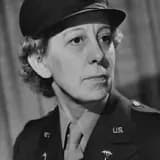
As chief nurse at Hickam Field, Annie G. Fox led emergency medical response during the Japanese attack on Pearl Harbor.
On December 7, 1941, Major Annie G. Fox was serving as chief nurse of the U.S. Army Nurse Corps at Hickam Field near Pearl Harbor when Japanese forces launched their surprise attack on the U.S. Pacific Fleet and associated installations.2 The air raid killed and wounded hundreds, turning the base hospital into a mass-casualty site within minutes.
During the attack, Fox directed triage, surgery preparation, and emergency care under bombardment, organizing limited staff and supplies to treat a sudden influx of gravely wounded servicemen.2 Accounts from military records describe her as maintaining calm, efficient leadership and providing exemplary professional skill despite the chaos of exploding ordnance and structural damage. She supervised nurses and corpsmen, coordinated with physicians, and ensured the wounded received rapid, prioritized care.
This date is historically significant because Fox’s conduct at Hickam Field became the basis for her later award of the Purple Heart, and subsequently the Bronze Star, marking formal recognition of women’s courageous service in a combat zone.2 At the time, nurses were often officially categorized as noncombatants, yet Pearl Harbor demonstrated that they faced direct danger and bore critical responsibility in emergency military medicine.
In the broader context of World War II, Fox’s actions on December 7 helped cement the image of Army nurses as integral to frontline operations, not merely auxiliary caregivers. Her leadership under fire challenged assumptions about women’s suitability for high-pressure command roles in wartime hospitals, contributing to later expansions of women’s roles in the armed forces. The attack on Pearl Harbor is remembered as a turning point in U.S. history; for Annie Fox, it was also the defining moment of her career and legacy.