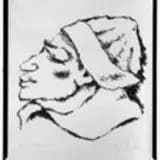
The Massachusetts Bay General Court formally sentenced Anne Hutchinson to banishment for sedition and heresy following her civil trial.
On March 22, 1638, the General Court of Massachusetts Bay Colony formally pronounced its sentence of banishment against Anne Hutchinson, culminating a civil trial that had begun the previous November before Governor John Winthrop and the colony's magistrates. Hutchinson had been charged with sedition for her role in the Antinomian Controversy — a theological dispute over the roles of grace and works in salvation — and for holding religious meetings in her home that drew large crowds, including men, in defiance of gender norms and clerical authority.
During the trial, Hutchinson demonstrated remarkable theological acuity, at one point nearly out-arguing her accusers by citing scripture and claiming direct divine revelation, a claim the court seized upon as proof of dangerous heresy. Her banishment marked one of the earliest and most consequential trials of religious dissent in American colonial history, illustrating the fragile boundary Puritan leaders drew between orthodoxy and perceived subversion, particularly when advanced by a woman.
The sentence forced Hutchinson, then in the final months of a difficult pregnancy, to leave Massachusetts with her family. Her banishment is widely cited by legal historians and political theorists as a foundational episode in the American struggle for religious liberty and freedom of conscience, later invoked in debates over the First Amendment's protections.