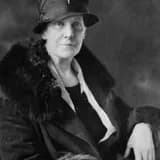
On May 8, 1914, President Woodrow Wilson signed a joint resolution of Congress designating the second Sunday in May as Mother's Day nationally.
On May 8, 1914, President Woodrow Wilson signed a joint resolution passed by the U.S. Congress officially designating the second Sunday in May as Mother's Day, a national holiday to be observed throughout the United States. This was the crowning achievement of Anna Jarvis's years-long campaign, which had involved relentless letter-writing to legislators, governors, newspaper editors, and civic organizations across the country.
Jarvis had spent years since 1907 pressuring state legislatures to adopt the observance; West Virginia, her home state, became the first state to officially recognize Mother's Day in 1910, and by 1911 all U.S. states had some form of observance. Her persistence, along with support from department store magnate John Wanamaker and various congressmen, culminated in the federal resolution.
This event was historically significant as one of the relatively rare instances of a national holiday being created largely through the efforts of a single private citizen, and one of the few American holidays explicitly honoring women in their domestic and maternal roles. It reflected the Progressive Era's growing sentimentality about family and domesticity, even as women's roles in public life were also expanding.
Ironically, this legislative triumph also sowed the seeds of Jarvis's later disillusionment: within a decade, she would become a fierce critic of the commercialization of the holiday she had fought so hard to create, spending the rest of her life campaigning against florists, card companies, and confectioners profiting from Mother's Day.