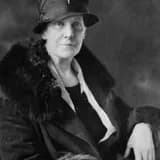
On May 10, 1908, Anna Jarvis organized the first official Mother's Day service at Andrews Methodist Episcopal Church in Grafton, West Virginia.
On May 10, 1908, Anna Jarvis organized the first official Mother's Day observance at the Andrews Methodist Episcopal Church in Grafton, West Virginia — the very church where her mother, Ann Reeves Jarvis, had taught Sunday School for over twenty years. Simultaneously, a larger celebration took place in Philadelphia, where Jarvis was living at the time, at the Wanamaker's department store auditorium, drawing thousands of attendees.
Jarvis distributed hundreds of white carnations, her mother's favorite flower, at the Grafton service — a gesture that would establish the carnation as the enduring symbol of Mother's Day. She chose the second Sunday in May because it was close to the anniversary of her mother's death (May 9, 1905).
This event represented the tangible beginning of the Mother's Day movement as a public observance rather than a private family remembrance. It was historically significant because it demonstrated organized, replicable programming — complete with church services, floral symbolism, and public messaging — that could be scaled to other communities. Following this event, Jarvis intensified her lobbying campaign, writing thousands of letters to newspapers, politicians, ministers, and businessmen urging them to adopt the observance nationally.
The success of this first service directly led, within six years, to the holiday's formal recognition by the United States Congress and President Woodrow Wilson, cementing Jarvis's legacy as the founder of the American Mother's Day tradition. The Andrews Methodist Episcopal Church building is preserved today as the International Mother's Day Shrine.