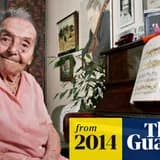
Alice Herz-Sommer, her husband, and young son were deported to the Theresienstadt (Terezín) concentration camp on 6 July 1943.
On 6 July 1943, Alice Herz-Sommer, along with her husband Leopold Sommer and their six-year-old son Raphael (Rafael), were deported from Prague to the Theresienstadt (Terezín) concentration camp in occupied Czechoslovakia. Theresienstadt functioned as both a transit camp toward extermination camps in the East and, notoriously, as a propaganda showpiece the Nazis used to deceive the International Red Cross about conditions faced by Jewish prisoners.
Within the camp, Alice's musical training proved to be an extraordinary, if grim, form of protection. She was recruited to perform in more than 100 concerts for fellow prisoners as part of the camp's cynical cultural life program, playing demanding piano works including all 24 Chopin Études from memory. These performances offered fleeting psychological respite to thousands of starving, terrified inmates and to Alice herself, who later said that music was what kept her and her son alive.
Her husband Leopold was transported to Auschwitz in 1944 and subsequently died in Dachau in 1944, shortly before liberation. Alice and Raphael survived until the camp's liberation by Soviet forces in May 1945. This period became the defining core of her life story, later documented in books, interviews, and the Oscar-winning short documentary The Lady in Number 6, cementing her legacy as a symbol of resilience through art amid genocide.