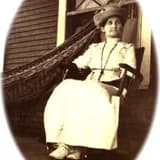
Alice Brown Davis died on June 21, 1935, in Wewoka, Oklahoma, having served as chief of the Seminole Nation until her death.
Alice Brown Davis died on June 21, 1935, in Wewoka, Oklahoma, the capital of the Seminole Nation, where she had lived and served for decades. She held the position of chief of the Seminole Nation until her death, having been appointed in 1922 as the first woman to lead the tribe.
Her death marked the end of an era for the Seminole Nation, closing out a long career of public service that spanned education, interpretation, tribal governance, and cultural preservation. Throughout her life, Davis had worked tirelessly to help her people navigate the profound changes brought by allotment policies, the loss of communal lands, and increasing federal intervention in tribal affairs.
She was buried in Wewoka, and her legacy has been honored through numerous historical recognitions, including her induction into the Oklahoma Hall of Fame in 1930, and continued commemoration by Seminole Nation historical and cultural organizations. Her life is frequently cited as an example of Native American women's leadership and resilience during a period of intense pressure on tribal sovereignty and identity.
Davis is remembered today as a bridge figure—fluent in both Seminole tradition and the demands of federal bureaucracy—whose diplomatic skill and dedication to her community's welfare left a lasting imprint on Seminole Nation history.