← All women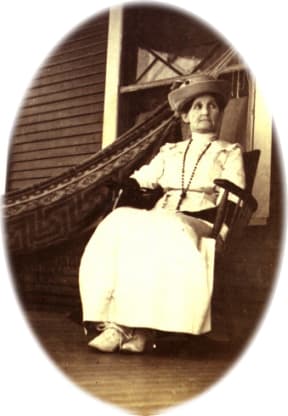
American · Politics · Activism
Alice Brown Davis
September 10, 1852 – June 21, 1935
Early Life and Background
Alice Brown Davis was born on September 10, 1852, in the Indian Territory, present-day Oklahoma, as one of the 12 children of John Frippo Brown, a member of the Scottish-Creek mixed ancestry who was of the elite Brown family in Seminole society, and Lucy Redbeard Brown of Seminole heritage. Her family was influential in the mixed-race elite of the Seminole Nation, providing Alice with an unusual opportunity for education and involvement in social issues from a young age.
Career Beginnings and Development
Alice began her career as a postmistress in Arbeka, where she managed community services and communication lines crucial to the settlement. She quickly became a community leader, being well-respected for her ability to negotiate and advocate for the rights of her people. Her early involvement in governance and community services laid the foundation for her later leadership roles.
Major Works, Discoveries, or Accomplishments
In 1922, Alice Brown Davis was appointed by the United States government as the Principal Chief of the Seminole Nation, becoming the first woman to hold this position. Her tenure was marked by a staunch defense of the Seminole and Seminole Freedmen's rights, and she played a crucial role in fighting against the imposed allotment plans by the federal government, which aimed to dissolve tribal land ownership in favor of individual landholdings.
Awards, Honors, and Recognition Received
Alice received widespread recognition for her leadership, not only among the Seminole but also within the broader Native American and non-Native communities. Though formal awards were rare during her time, her legacy continued through historical recognition; she was inducted into the Oklahoma Hall of Fame posthumously in 1930.
Personal Life
Alice married George Rollin Davis, with whom she had eleven children. Her family was deeply involved in the community, further establishing her commitment to the welfare of the Seminole Nation. Her personal relationships and large family required a life balanced between caregiving and leadership.
Legacy and Historical Impact
Alice Brown Davis is remembered as a trailblazer for women in Native American politics, demonstrating leadership and resilience in a male-dominated sphere. Her advocacy work and dedication to her people continues to influence the Seminole and other Native tribes, serving as a role model for female leadership and activism. Her efforts against the allotment system were critical in maintaining aspects of tribal sovereignty and integrity.
Later Life and Death
Alice continued her activism and leadership until her passing on June 21, 1935. Her death marked the end of a significant era for the Seminole, yet her legacy endured, inspiring future generations of both women and Native American leaders. Her impact is still celebrated and her life's work remains a vital part of the Seminole history.
Dated achievements
3 indexed.
- Sep101852Science
Born at Park Hill, Cherokee Nation, Indian Territory
Alice Brown Davis was born September 10, 1852, at Park Hill in the Cherokee Nation, Indian Territory, to a Seminole mother and Scottish trader father.
View details Alice Brown Davis - Wikipedia - Oct191922Science
Appointed First Female Chief of the Seminole Nation
On October 19, 1922, Alice Brown Davis was appointed by President Warren G. Harding as the first female chief of the Seminole Nation of Oklahoma.