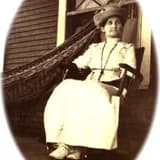
On October 19, 1922, Alice Brown Davis was appointed by President Warren G. Harding as the first female chief of the Seminole Nation of Oklahoma.
On October 19, 1922, Alice Brown Davis was appointed by U.S. President Warren G. Harding to serve as chief of the Seminole Nation of Oklahoma, making her the first woman to hold this position in the tribe's history. At the time, the federal government still exercised significant control over the selection of tribal leadership under policies stemming from the Curtis Act and subsequent allotment-era governance structures, meaning her appointment carried both symbolic and practical significance.
Davis was already a respected figure within the Seminole Nation, having served for years as an interpreter, community organizer, and advocate for tribal welfare, including running a boarding school for Seminole children. Her selection reflected both her deep knowledge of tribal affairs and her ability to navigate relations with federal authorities during the difficult allotment and post-allotment period, when tribal governance had been severely weakened.
As chief, she worked to protect the interests of Seminole citizens amid ongoing land disputes, oil and mineral rights controversies, and the erosion of communal landholding. Her tenure, lasting until 1935, demonstrated that Native women could hold formal positions of political authority even within a colonial administrative framework that had marginalized traditional tribal governance structures.
Her appointment remains a landmark moment in both Seminole and broader Native American history, symbolizing resilience and the capacity of Indigenous women to lead during one of the most challenging periods for tribal sovereignty in Oklahoma.