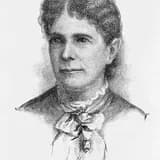
Whitney received U.S. Patent No. 255,675 for an 'Improvement in Alphabet-Blocks,' an educational toy design for teaching children letters.
On March 7, 1882, the United States Patent Office granted Adeline Dutton Train Whitney U.S. Patent No. 255,675, titled "Improvement in Alphabet-Blocks." The patent described a set of educational building blocks designed to help young children learn letters and, by extension, reading and spelling, reflecting the broader nineteenth-century interest in developing pedagogical toys that combined play with early literacy instruction.
This patent is a notable example of a well-known literary figure venturing into the realm of material invention. Whitney, already established as a prolific author of moral and domestic fiction for girls, applied her interest in childhood education and development to a tangible product intended for use in homes and schoolrooms. The invention aligns closely with the themes of her literary work, which consistently emphasized the moral and intellectual formation of children, particularly girls, within the domestic sphere.
While alphabet blocks were not a wholly novel concept by the 1880s, Whitney's specific design improvement demonstrates the era's growing enthusiasm for combining educational theory with commercial toy manufacturing — a movement that paralleled the broader Froebelian kindergarten movement gaining traction in the United States at the time.
Though sources do not document this as the first alphabet block patent of its kind, it stands as tangible evidence of Whitney's practical engagement with pedagogy beyond her prose and poetry, broadening her legacy from author to inventor within the material culture of nineteenth-century American childhood education.