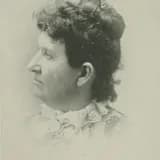
Death of Ada Harriet Miser Kepley in Effingham, Illinois, after a pioneering career in law, temperance, and women’s rights.
Ada Harriet Miser Kepley died on June 13, 1925, in Effingham, Illinois, after a life spent challenging legal and social barriers facing women. Reference works and denominational biographies record this date and place, noting that she died in straitened circumstances despite her pioneering achievements.
By the time of her death, Kepley had long been recognized regionally as the first American woman to graduate from law school and as an influential figure in Illinois’s temperance and women’s rights movements. Yet local accounts emphasize that she died in poverty, viewed by some contemporaries as eccentric because of her uncompromising reformism and unconventional career path. Her burial in Effingham’s Oak Ridge Cemetery, marked by modest grave stones, stands in stark contrast to the national significance of her contributions to legal history.
This death date is historically important because it frames the arc of a life that spanned from the pre–Civil War era through women’s suffrage and into the 1920s. Kepley lived to see the ratification of the Nineteenth Amendment in 1920, which granted women the right to vote—a cause she had supported for decades. Her passing shortly thereafter underscores how many first‑generation women professionals did not enjoy sustained institutional support or financial security, even as their breakthroughs opened doors for later generations. The June 13, 1925 date thus marks the close of a career that helped redefine what was possible for women in law and public reform in the United States.