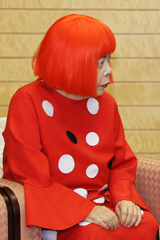
Yayoi Kusama is born on 22 March 1929 in Matsumoto, Nagano Prefecture, Japan, the youngest of four children in a conservative family.
On 22 March 1929, Yayoi Kusama was born in Matsumoto, Nagano Prefecture, Japan, the youngest of four children in a conservative, prosperous family. Her rural upbringing among her family’s plant nursery and fields would profoundly shape her lifelong fascination with nature, repetition, and infinity.
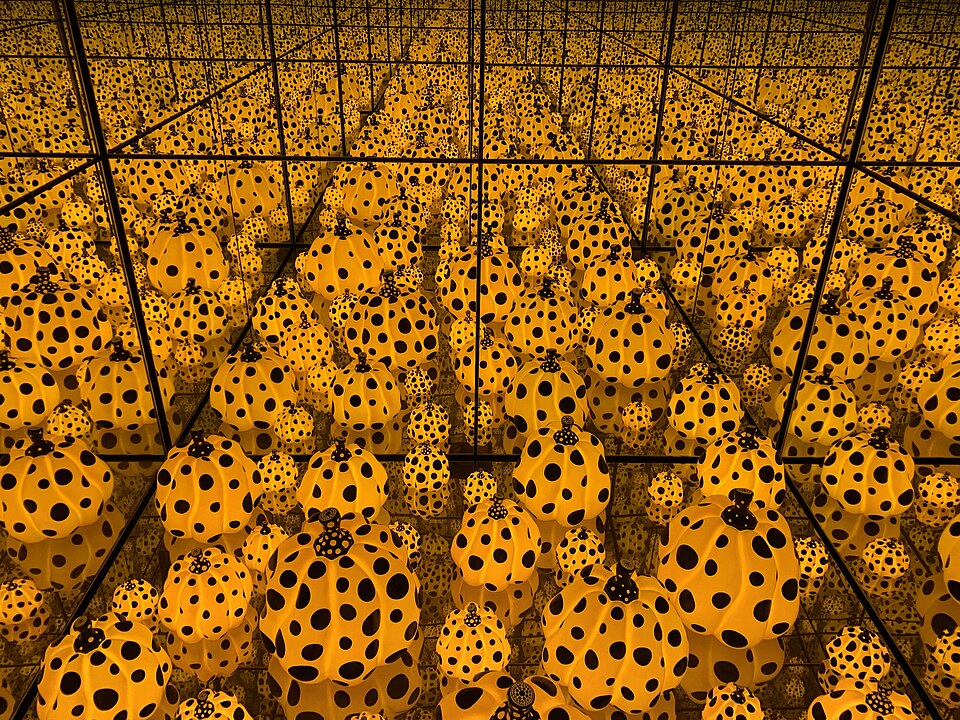
From childhood, Kusama experienced intense hallucinations in which the world seemed overrun by patterns, flowers, and dots, a psychological reality that would later become the defining subject matter of her art. Growing up in the interwar and wartime eras, she developed her first polka-dot and net-themed drawings as a means of coping with trauma and asserting an imaginative autonomy amid rigid social expectations for Japanese girls.
This birthdate anchors the chronology of one of the most influential avant-garde artists of the twentieth and twenty-first centuries. Emerging from provincial Matsumoto rather than the elite metropolitan circles that dominated Japanese art, Kusama’s trajectory from this moment charts a path of self-determination against gendered and cultural constraints. Her later global prominence—spanning New York’s 1960s avant-garde, radical performance, and blockbuster museum installations—begins with this historically situated origin in 1929 Japan.
In women’s history, Kusama’s birth marks the arrival of a figure who would challenge male-dominated artistic canons worldwide and make mental illness, obsessive repetition, and female experience central to contemporary art discourse. The date thus serves not only as a biographical fact but as a starting point for rethinking the role of non-Western women artists in shaping global modernism.
Images