← All women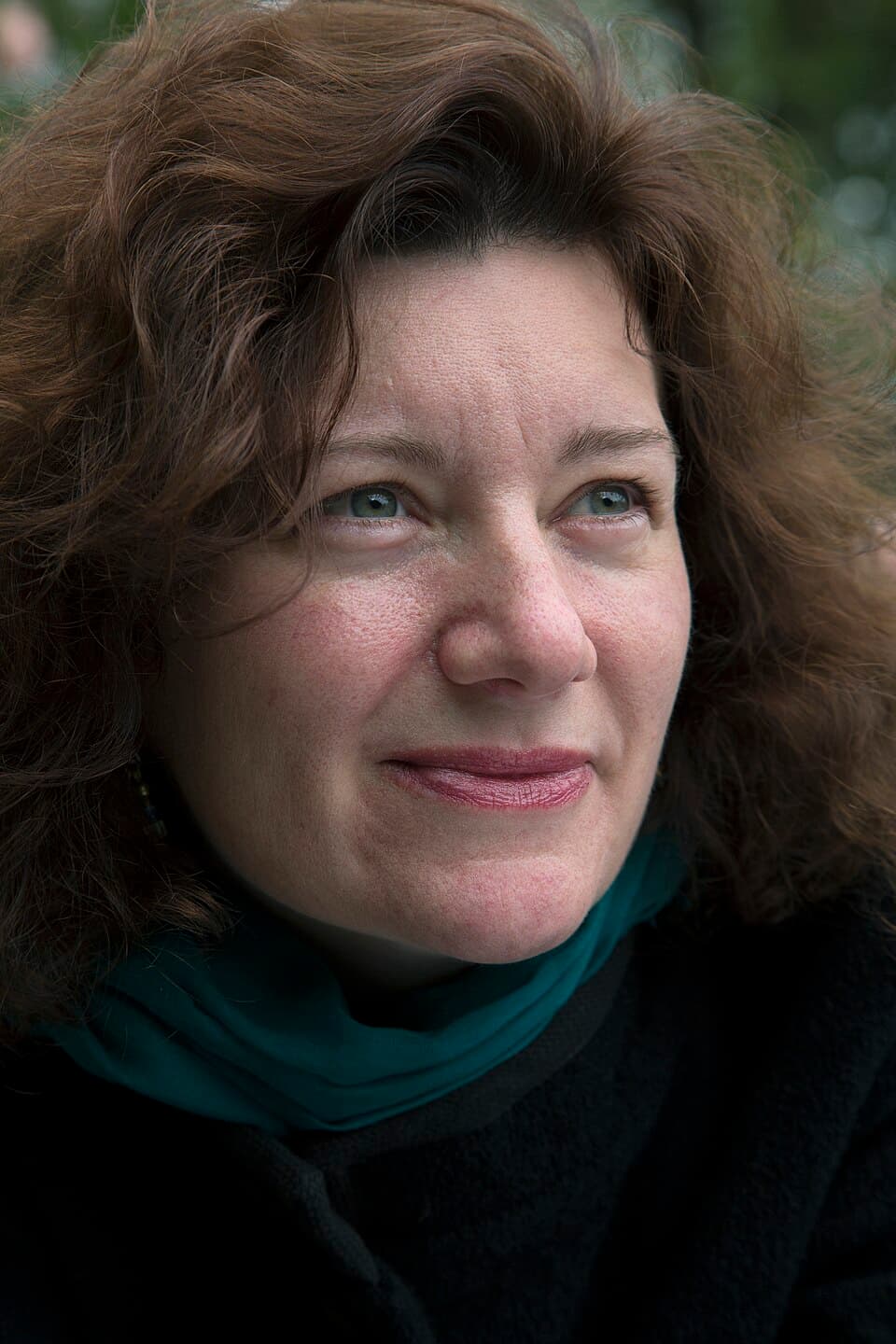
British, Canadian · Science
Turi King
December 31, 1969 – present
Early life and background
Turi Emma King was born on 31 December 1969 in Nottingham, England, into a family that soon emigrated to Canada.[1][4] She spent much of her childhood in Vancouver, British Columbia, an upbringing that would give her both Canadian and British identities and expose her to diverse cultural and natural environments.[4][5] Accounts of her early years emphasise a strong curiosity about the past and a fascination with how people lived, questions that would later guide her toward archaeology, anthropology, and ultimately genetics.[4]
King initially pursued her interest in the human past through formal study at the University of British Columbia, where she began a degree in archaeology and anthropology.[4][11] During this period she worked on archaeological excavations in Canada and Europe, including projects in Greece and England, gaining practical field experience in uncovering and interpreting material remains.[4][11] The combination of hands‑on fieldwork and anthropological theory cultivated a sensitivity to context—both cultural and environmental—that would later inform her interdisciplinary approach to genetic evidence.
Seeking to deepen her understanding of human biology within archaeological frameworks, King later transferred to the University of Cambridge, where she completed a degree in biological anthropology.[4][3][11] At Cambridge she became increasingly interested in how emerging genetic techniques might intersect with questions traditionally pursued in archaeology and history. This interest in integrating hard science with the humanities would become a defining feature of her career.[11]
Transition to genetics and postgraduate training
After Cambridge, King won a scholarship to pursue postgraduate study in genetics at the University of Leicester, then a world‑leading centre for DNA research following Sir Alec Jeffreys’s invention of DNA fingerprinting in the mid‑1980s.[2][11] She enrolled in a Master’s degree in molecular genetics, undertaking a research project that characterised Y‑chromosome polymorphisms and graduating with a first‑class degree with distinction.[4][11] The work introduced her to the possibilities of using the Y chromosome, passed from father to son, as a tool for understanding lineage and population structure.
In 2000, King began her doctoral research at Leicester, funded by the Wellcome Trust.[4][11] Her PhD focused on the genetics of British surnames, examining how Y‑chromosome variation correlates with patrilineal surnames in the population. She investigated how certain surnames could be linked to particular Y‑chromosome haplotypes, shedding light on questions of relatedness, migration, and the social history of naming practices.[4] Her thesis, completed and published in the mid‑2000s, became one of the foundational studies in what is now known as genetic genealogy—the use of genetic markers to explore family and surname history.
Working in the department where DNA fingerprinting had been invented, King was mentored and examined by Sir Alec Jeffreys, whose influence is evident in her later emphasis on both technical rigour and ethical reflection.[2][11] The Leicester environment, with its strong culture of applied genetics, positioned her at the intersection of forensic science, population genetics, and historical research.
Career beginnings and development
Following her PhD, King established herself as a researcher who combined genetics, archaeology, history, and forensics in novel ways. Early publications in the mid‑2000s on surnames and Y‑chromosome variation in Britain extended her thesis work and helped develop methodologies for linking genetic lineages to documentary records and surname distributions.[4] These studies demonstrated that, for some surnames, a significant proportion of male bearers shared a common Y‑chromosome signature, while others reflected more complex histories of non‑paternity events, adoption, or multiple origins.
At Leicester she progressed through academic roles that blended research, teaching, and public engagement. She became Professor of Public Engagement and Genetics, a post that recognised not only her scientific contributions but also her capacity to communicate complex genetic concepts to non‑specialist audiences.[1][2][10] In this role, King developed outreach initiatives, gave public lectures, and advised media productions on genetic topics.
Her work increasingly spanned fields: she contributed to projects on population structure in the British Isles, investigations into the genetic legacy of Viking settlement, and collaborations that used DNA to explore the histories of specific communities and lineages.[4][7] At the same time she began advising on forensic and historical cold cases, bringing genetic evidence to bear on questions of identity and origin where traditional records were incomplete or contested.
The Richard III project
King’s international profile was transformed by her role in the search for and identification of the remains of King Richard III of England. In 2012, an interdisciplinary team in Leicester initiated an excavation of a car park built over the site of the former Greyfriars friary, believed to be Richard’s burial place following his death at the Battle of Bosworth in 1485.[1][2] King was appointed the project’s lead geneticist, responsible for overseeing DNA sampling and analysis.
Her work began even before the excavation, with the identification and contact of living maternal‑line descendants of Richard III’s sister, whose mitochondrial DNA could be compared with any remains found.[1] When a skeleton displaying scoliosis and battle injuries consistent with historical descriptions of Richard was uncovered, King led the careful extraction of DNA from the bones and teeth under clean‑room conditions designed to minimise contamination.[2]
The genetic analysis focused on mitochondrial DNA (mtDNA), which is inherited through the maternal line, as well as Y‑chromosome and autosomal markers. King’s team demonstrated a match between the mtDNA sequences from the remains and those of the living descendants, providing a crucial line of evidence that, combined with archaeology and radiocarbon dating, supported the identification of the skeleton as Richard III.[1][2]
On 4 February 2013, the University of Leicester held a globally covered press conference at which King presented the genetic findings and announced that the evidence indicated the remains were those of Richard III.[1][3] Media outlets described the case as "cracking one of the biggest forensic DNA cases in history," and King became widely recognised as the scientific face of the project.[3][7] She subsequently co‑authored peer‑reviewed papers detailing the genetic evidence, including work on the whole‑genome sequencing of Richard III, which explored his ancestry, physical traits, and potential medical conditions.
The Richard III project demonstrated the power of genetic analysis to resolve a centuries‑old historical debate and showcased how women scientists could lead high‑profile investigations at the interface of science, heritage, and national identity. It also raised broader questions about the ethics of exhumation, the politics of royal remains, and the public’s appetite for genetic answers to historical mysteries—issues King has continued to address in her public engagement work.
Further historical and forensic DNA work
Building on the attention generated by the Richard III case, King became a sought‑after expert for other high‑profile historical and forensic investigations. She has advised on the Mary Jane Kelly Project, which seeks to determine the identity of the last canonical victim of Jack the Ripper using genetic and historical evidence.[4][7] She has also worked on the genetic investigation of the descendants of Sir George Yeardley, a colonial governor of Jamestown, Virginia, exploring early colonial lineages and their modern legacy.[6]
King has been involved in research on the Viking genetic legacy in the British Isles, combining genetic data with historical sources and taxation records to reconstruct the scale and patterns of Norse migration and integration.[4][7] These studies contribute to broader debates about identity, migration, and the formation of regional populations in Britain, and they challenge simplistic narratives about "pure" national ancestries.
Her expertise in forensic genetics has also led her to comment on and help elucidate controversial modern criminal cases. In media and public engagements she has discussed the Amanda Knox case, using it to highlight how DNA evidence can be misunderstood, misused, or overstated, and explaining key concepts such as transfer, contamination, and statistical interpretation.[7] Through such work, King has become an important voice in promoting critical literacy around forensic DNA in both legal and public spheres.
In 2025, she led a widely publicised project analysing genetic material attributed to Adolf Hitler, with results suggesting that he may have suffered from Kallmann syndrome.[1][7] The study sparked debate among scientists regarding the limits of inference from degraded or indirect samples, and King herself emphasised the dangers of biological determinism and the need for caution in linking genetics to behaviour.[1] The controversy underscored her commitment to transparent communication about the strengths and limitations of genetic data.
Academic positions and institutional leadership
King’s academic career has been closely tied to the University of Leicester, where she rose to become Professor of Public Engagement and Genetics.[1][2] In this role she combined research with extensive outreach, promoting both the university and higher education in STEM fields. The university recognised her as one of its “Women Making History”, highlighting her leadership in the Richard III identification and her work in inspiring new generations of students and researchers.[2]
She has obtained several professional distinctions, including being named an Honorary Fellow of the British Science Association, a Fellow of the Society of Antiquaries of London, a member of the Chartered Society of Forensic Sciences, and a member of the International Society of Forensic Genetics.[2][7] These affiliations reflect her status in both scientific and heritage communities.
In the early 2020s, King accepted a senior role at the University of Bath. She became Director of the Milner Centre for Evolution, a major research centre focused on evolutionary biology and public engagement with genetics.[1][5][7] In this position she has overseen research programmes, developed interdisciplinary projects, and expanded the Centre’s outreach activities, aligning its mission with her long‑standing commitment to public‑facing science.
Science communication and media work
A defining element of King’s career is her work as a science communicator. She has delivered high‑profile lectures, including at the Royal Institution, where her talks "DNA Family Secrets" and "Investigative Genetic Genealogy" explored how DNA testing is transforming family history and forensics.[0] She is a frequent speaker at festivals and public events, such as the Chalke History Festival, where she discusses the intersection of DNA, history, and identity.[7]
King has become widely known through television. She co‑presents the BBC series "DNA Family Secrets", alongside broadcaster Stacey Dooley, in which genetic genealogy is used to answer participants’ questions about parentage, ethnicity, and health.[2][6][7] The programme introduces broad audiences to the possibilities and limitations of consumer and academic DNA testing, while also addressing the emotional and ethical complexities that accompany genetic revelations.
Her media portfolio extends to radio, including appearances on BBC Radio 4’s "The Life Scientific," and to podcasting, both through her own series and collaborations with outlets such as the BBC and Audible.[7][13] In these formats, she explains topics ranging from the basics of DNA to cutting‑edge developments in ancient genomics and forensic genealogy. She is also a popular keynote speaker and panellist at conferences, including international forensic meetings such as the International Symposium on Human Identification (ISHI), where she has discussed the Richard III project and broader issues in forensic genetics.[5]
Her work with major cultural institutions and broadcasters has positioned King as one of the most recognisable female geneticists in the English‑speaking world. She is frequently praised for her ability to translate highly technical material into compelling narratives without sacrificing scientific accuracy.[3][7]
Publications and authorship
Beyond academic papers, King has written for general audiences. She is the author of "The Secrets of Our DNA: How Genetics Has Changed the World", published by a major trade press and promoted by the University of Bath.[12] The book explores how genetic discoveries have reshaped medicine, forensics, ancestry research, and our understanding of human evolution, using case studies from her own work, including Richard III and other historical investigations.
As an author with Penguin Random House and related imprints, King has also contributed to popular‑science writing that introduces readers to the methods and implications of genetic research.[6][14] Her publications emphasise both the power of DNA analysis and the ethical responsibilities that come with handling sensitive information about identity, kinship, and health.
In parallel, King continues to contribute to scholarly literature on topics such as surname genetics, ancient DNA, and forensic applications. Her academic and popular writings together have helped define the field of genetic genealogy and have shaped public discourse around DNA testing, particularly in relation to privacy, consent, and the social construction of ancestry.
Awards, honours, and recognition
King’s contributions have been recognised through a series of honours and institutional acknowledgements. The University of Leicester has profiled her as one of its leading inspirational women, citing her work on the Richard III project, her role in celebrating the 35th anniversary of DNA fingerprinting, and her success in public engagement.[2] She has received awards for communication and outreach, reflecting both the reach and quality of her media work.[7]
Her professional fellowships and memberships—such as her Honorary Fellowship of the British Science Association and Fellowship of the Society of Antiquaries of London—signal recognition from both scientific and historical communities.[2][7] Conference organisers, including major forensic and historical festivals, regularly highlight her as a headline speaker, further acknowledging her influence as a bridge between disciplines.
King’s projects have often been described in superlative terms: the Richard III identification has been called one of the largest or most significant forensic DNA cases to date, and she is frequently referred to as a leading or pioneering expert in biological anthropology, genetic genealogy, and ancient DNA.[3][6][7] Such descriptions underscore her standing in a competitive, rapidly evolving field.
Personal life
Publicly available information about King’s personal life focuses primarily on her professional identity and her dual Canadian–British background.[2][4][5] She has spoken in interviews about living and working in Britain after growing up in Canada, and about the ways in which her international experiences have shaped her perspective on identity and migration—central themes in her research.[4][9]
Media profiles emphasise her enthusiasm for communicating science and her commitment to mentoring students and early‑career researchers, particularly women in STEM.[2][7][9] She is often portrayed as energetic, approachable, and deeply engaged with the human stories behind genetic data, characteristics that contribute to her success in broadcast and live‑event settings.
Details about her family life, including marital status and children, are not widely publicised, consistent with a professional boundary that keeps her private relationships distinct from her public role as a scientist and communicator. This separation reflects broader shifts in how women scientists can choose to manage visibility, asserting control over which aspects of their lives become part of the public record.
Legacy and historical impact
Although still in mid‑career, King has already had a substantial impact on multiple fields. In forensic and historical genetics, her work on Richard III has become a touchstone example of how DNA can address long‑standing historical questions. The case has been widely cited in textbooks, lectures, and public discussions as a model of integrating genetic evidence with archaeological and documentary data.[1][2]
In genetic genealogy, her early research on surnames and Y‑chromosome variation helped establish methods that underpin many contemporary projects, from academic studies of population structure to commercial ancestry testing. By demonstrating both the potential and the limitations of linking surnames to genetic lineages, she provided a nuanced foundation for later work in the field.[4][6]
King’s influence in public engagement with science may be even broader. Through television, radio, podcasts, books, and live events, she has helped millions of people understand how DNA works and what it can—and cannot—reveal about identity, health, and heritage.[2][7][13] Her prominence as a woman geneticist in mainstream media contributes to the visibility of women in STEM and challenges lingering stereotypes about who can be an authoritative scientific voice.
Her leadership at institutions like the Milner Centre for Evolution and her involvement in ethical debates about forensic and consumer DNA reinforce her role as a key figure in shaping how society responds to the rapid expansion of genetic technologies. She consistently emphasises the importance of informed consent, privacy, and the social context of genetic information, framing DNA not merely as a technical tool but as a profoundly human one.
Later life and ongoing work
As of the mid‑2020s, King continues to live and work in the United Kingdom. She serves as Director of the Milner Centre for Evolution at the University of Bath while maintaining a strong media presence and an active portfolio of research projects.[1][5][7] Her work spans topics as varied as ancient human remains, the genetics of historical figures, the legacy of Viking migrations, and the sequencing of ancient animal genomes, such as domesticated cats along trade routes like the Silk Road.[4][7]
She remains a frequent contributor to international conferences, including forensic and genetic meetings, where she discusses both her own projects and broader methodological and ethical issues in genetic genealogy and forensic science.[5] Her schedule of lectures—such as the planned 2026 talk "The DNA of History" at the Edinburgh International Conference Centre—illustrates ongoing demand for her expertise at the intersection of science, history, and public discourse.[7]
King’s career thus far illustrates how a scientist can move fluidly between laboratory, archive, excavation trench, and television studio while maintaining scientific credibility and ethical engagement. In the context of women’s history, she stands as a prominent example of a 21st‑century woman scientist who not only advances her field but also reshapes who is seen as a legitimate interpreter of the deep human past.
Dated achievements
4 indexed.
- Dec311969Science
Birth of Turi King
Birth of Turi Emma King in Nottingham, England, later a Canadian‑British geneticist and archaeologist known for leading the DNA identification of King Richard III.
View details Wikipedia: Turi King - Feb042013Science
Richard III DNA Identification
Public announcement of the identification of King Richard III's remains by Turi King.