← All women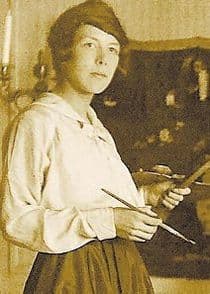
Swedish · Arts
Sigrid Hjertén
October 27, 1885 – March 24, 1948
Early Life and Background
Sigrid Hjertén was born on October 27, 1885, in Sundsvall, Sweden. Her early life was marked by cultural exposure, as her family valued education and artistic endeavors. She pursued higher education in Stockholm, where she initially studied to become a drawing teacher. Her artistic inclinations were further developed after meeting her future husband, Isaac Grünewald, who introduced her to the world of modern art.
Career Beginnings and Development
Hjertén's formal journey into art commenced at the Valand School of Art in Gothenburg under the guidance of painter Carl Wilhelmson. Her significant breakthrough came upon her move to Paris in 1911, where she enrolled at Académie Matisse, studying under Henri Matisse himself. This experience profoundly influenced her style, embracing the vibrant color palettes and expressive forms associated with Fauvism.
Major Works and Accomplishments
Throughout the 1910s and 1920s, Hjertén became a central figure in the Swedish modernist movement. Her works often depicted urban scenes, interiors, and self-portraits, characterized by bold colors and sharp forms. Some of her most noted works include “Studio Interior,” “Autumn Evening,” and “The Sofa.” Her contributions were pivotal in shaping modern art in Sweden.
Awards, Honors, and Recognition
While Sigrid Hjertén faced challenges in her career—including critical skepticism and personal health issues—her posthumous recognition has established her as a significant contributor to modern art. Exhibitions of her work have been held notably at the Moderna Museet in Stockholm and other prestigious galleries.
Personal Life
Hjertén married fellow artist Isaac Grünewald in 1911, and the couple often collaborated, influencing each other’s artistic journeys. They had a son, Ivan Grünewald, who also pursued a career in art. The marriage faced strain due to professional rivalries and personal challenges, leading to their eventual separation.
Legacy and Historical Impact
Despite a turbulent personal life, Hjertén's legacy endures in the vibrant canvases she left behind. An icon of Swedish art, her work broke traditional barriers and expanded the narrative scope of women artists in the modernist realm. Her contributions significantly impacted female representation in art.
Later Life and Death
Sigrid Hjertén's later years were overshadowed by mental health struggles, which led to her institutionalization. Tragically, she died on March 24, 1948, following complications from a poorly executed lobotomy. Her life and work have been subjects of extensive study and admiration, recognizing her trailblazing spirit and artistic vision.
Dated achievements
2 indexed.
- Mar271885Arts
Birth of Sigrid Hjertén in Sundsvall, Sweden
Sigrid Hjertén was born on March 27, 1885, in Sundsvall, Sweden, later becoming one of Sweden's foremost Expressionist painters.
View details Wikipedia: Sigrid Hjertén - Mar241948Arts
Death of Sigrid Hjertén in Stockholm
Sigrid Hjertén died on March 24, 1948, in Stockholm shortly after undergoing a lobotomy while institutionalized for mental illness.