← All women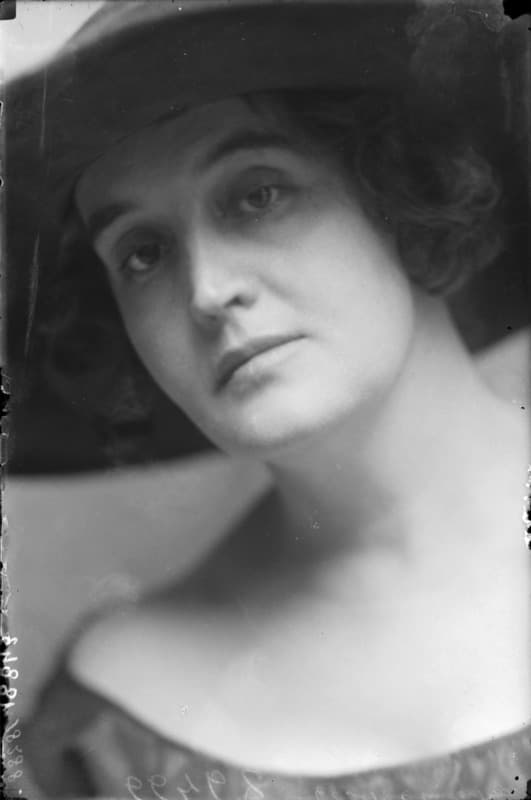
Italian · Literature
Sibilla Aleramo
August 14, 1876 – January 13, 1960
Early Life and Background
Sibilla Aleramo was born as Rina Faccio on August 14, 1876, in Alessandria, Italy. Her father was an industrious chemist and entrepreneur, which allowed the family to move frequently throughout Italy during her childhood. Despite these relocations, Aleramo developed a deep appreciation for literature, often finding solace in books amidst personal tribulations, including a traumatic experience of sexual assault during her youth.
Career Beginnings and Development
In 1906, Aleramo published her first and most famous work, Una donna ("A Woman"), marking the beginning of her literary prominence. This semi-autobiographical novel illuminated the oppressive conditions of women within the societal framework of Italy at the time. The book’s release was groundbreaking, as it vividly chronicled Aleramo's own path to self-discovery and emancipation from an unhappy marriage, resonating deeply with the growing feminist movement.
Major Works and Accomplishments
Following Una donna, Aleramo devoted her life to writing, producing novels, poetry, and essays that continued to address feminist themes and human rights issues. Her works include Il passaggio (1919), La vita felice (1927), and multiple collections of poetry that further solidified her reputation as a leading literary voice advocating for gender equality and social justice.
Awards and Honors
While Aleramo may not have received numerous awards during her lifetime, her contributions have been celebrated posthumously and her influence acknowledged in discussions of early feminist literature. Her writings continue to be studied for their pioneering themes and narrative style.
Personal Life
Aleramo’s personal life was tumultuous. Her marriage to an industrial colleague ended in separation, which was highly controversial for the period and further isolated her socially. She later formed relationships with prominent figures, such as writer Giovanni Cena and poet Dino Campana, the latter of which was documented in a series of passionate letters.
Legacy and Historical Impact
Considered one of Italy's leading early feminists, Aleramo's work gave voice to the struggles and aspirations of women at a time when their perspectives were largely ignored. Her bold narratives about personal and societal liberation challenged conventional ideas of womanhood and have influenced generations of writers and thinkers.
Later Life and Death
Aleramo continued to be active in the literary world until her death on January 13, 1960, in Rome, Italy. She spent her later years engaging with contemporary literary circles and advocating for women's rights. Her autobiographical and fictional works remain influential in both Italian and global feminist literary studies.
Dated achievements
2 indexed.
- Aug141876Science
Birth of Sibilla Aleramo (Rina Faccio)
Born Rina Faccio in Alessandria, Piedmont, Italy, on 14 August 1876; she later adopted the pen name Sibilla Aleramo.
View details Sibilla Aleramo - Wikipedia - Jan131960Science
Death of Sibilla Aleramo in Rome
Sibilla Aleramo died in Rome on 13 January 1960, leaving behind a legacy as one of Italy's pioneering feminist writers.