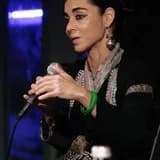
Born on 26 March 1957 in Qazvin, Iran, into a liberal, educated family whose support for women’s education shaped her future as a leading artist of exile and gender.
Shirin Neshat was born on 26 March 1957 in Qazvin, Iran, during the last decades of the Pahlavi monarchy, in a relatively liberal, middle‑class family that encouraged education and exposure to Western culture.[1][3][6] Growing up in this environment, she attended Catholic and secular schools and experienced both Persian traditions and Western influences, a duality that later became central to her art.[6][18]
Her birth in Qazvin, a provincial city several hours from Tehran, placed her outside the main political and cultural center yet close enough to be shaped by national upheavals.[10][13] As the Islamic Revolution approached, her parents sent her abroad for university, a decision grounded in their belief in modern education for daughters as well as sons.[6][13][18] This biographical circumstance—born into a reform‑minded Iranian family on the cusp of revolution—helped prepare her to become one of the most prominent artistic voices on exile, gender, and authoritarianism.
Although no single event at birth can be called barrier‑breaking, the historical context of 1950s Iran is crucial. Neshat came of age as state policy, religious forces, and women’s rights movements collided. Her later work, from Women of Allah to feature films such as Women Without Men, repeatedly returns to the tensions first inscribed in her early life: secular versus religious values, patriarchy versus female agency, nationalism versus displacement.[3][9][10] The date of her birth thus marks the starting point of a trajectory that would profoundly shape global conversations about Muslim women, diaspora, and resistance.