← All women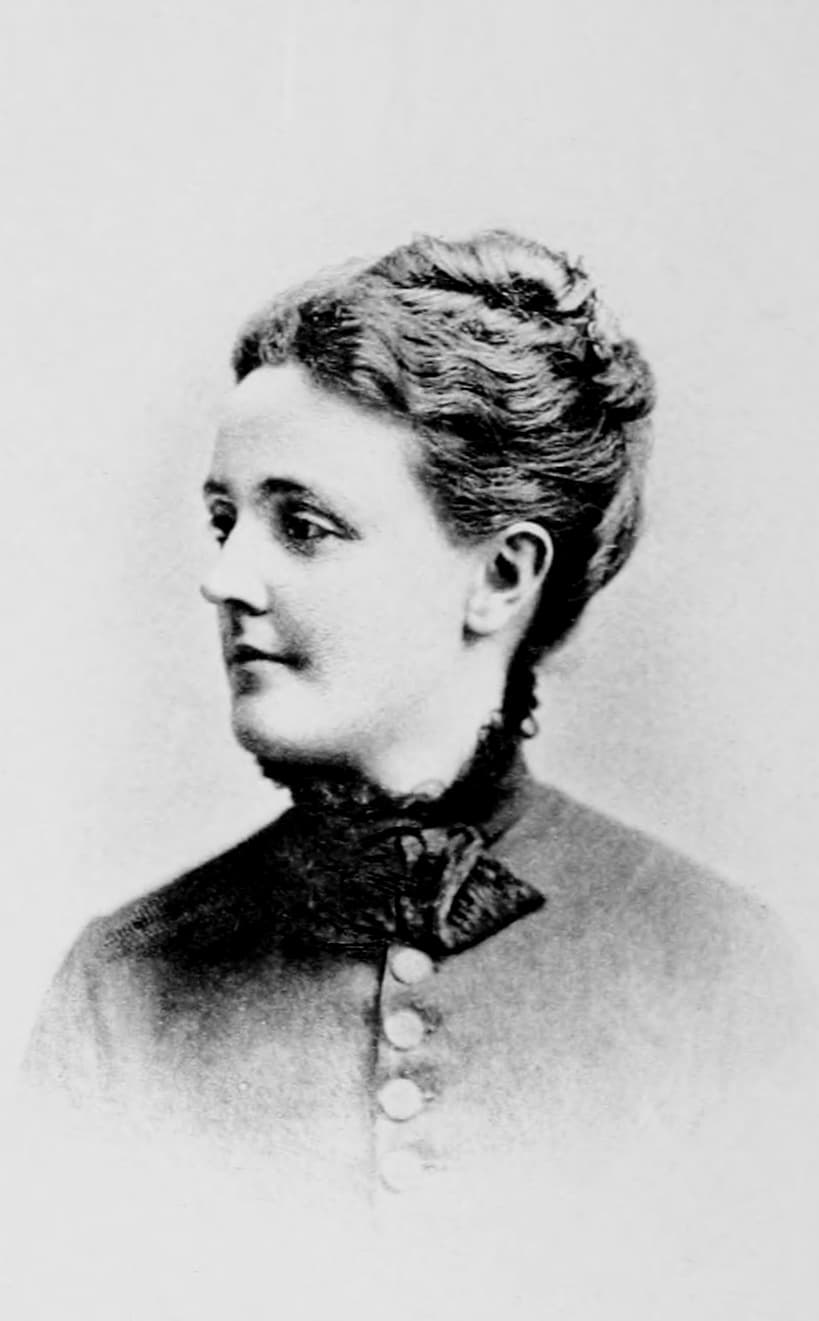
American · Literature
Sarah Orne Jewett
September 3, 1849 – June 24, 1909
Early Life and Background
Sarah Orne Jewett was born on September 3, 1849, in South Berwick, Maine, into a well-established New England family. Her father, Theodore Herman Jewett, was a physician, and her mother, Caroline Perry Jewett, hailed from a prominent local family. Sarah’s early education took place at the Miss Olive Rayne’s School for Young Ladies and later at the Berwick Academy. Her father's influence and encouragement substantially shaped her intellectual and literary development as he often took her on medical rounds, exposing Sarah to the world of rural New England life which she would later depict in her stories.
Career Beginnings and Development
Jewett's literary career began early. At 19, she published her first short story, "Jenny Garrow's Lovers," in the Atlantic Monthly. Her keen observation and narrative ability to capture the idiosyncrasies of small-town life earned her recognition. Her early works, such as "Deephaven" (1877), laid the foundation for her reputation as a writer of the local color genre—a movement focused on bringing distinct American regions to literary life through rich, community-based narratives.
Major Works and Accomplishments
In 1896, Jewett published her seminal work, "The Country of the Pointed Firs," a novel lauded for its beautiful portrayal of a rustic Maine maritime community. The novel is often cited as her greatest work and a masterpiece that significantly contributes to American literature. Jewett was also known for "A White Heron" and other short stories that capture the essence of New England life.
Besides her fiction, Jewett’s nonfiction writings, including essays and landscapes, and her work as an editor contributed to her literary reputation. Her close friendships and intellectual exchanges with other literary figures, such as Willa Cather, influenced and enriched their respective works. Jewett received an honorary degree from Bowdoin College in 1901, the first such honor bestowed upon a woman by the institution.
Personal Life
Jewett never married, yet she formed a lifelong intellectual partnership with fellow writer Annie Adams Fields, the widow of publisher James T. Fields. Their relationship, described as a "Boston Marriage," played a significant role in Jewett's life and work. The two women shared a deep personal bond and frequently traveled together. Such partnerships were common in the era among women who sought to form strong, supportive networks outside traditional family structures.
Legacy and Historical Impact
Jewett’s stories, celebrated for their portrayal of women’s lives and rural communities, have influenced subsequent generations of writers. Her detailed narrative style helped shift the focus of American literature towards realism and regionalism. Jewett’s house in South Berwick, where she was born and often wrote, is now a museum managed by Historic New England and stands as a testament to her literary legacy.
Later Life and Death
In her later years, Jewett suffered from health issues that limited her ability to write. After a carriage accident in 1902, she published less frequently. She died on June 24, 1909, leaving behind a legacy as one of New England’s most cherished literary figures. Her influence remains prevalent in American literature, revered for her nuanced depiction of community and natural beauty.
Dated achievements
3 indexed.
- Sep031849Literature
Birth of Sarah Orne Jewett
Sarah Orne Jewett was born on September 3, 1849, in South Berwick, Maine.
View details Sarah Orne Jewett Biography - Britannica - Sep201896Literature
Publication of "The Country of the Pointed Firs"
Sarah Orne Jewett's "The Country of the Pointed Firs" was published on September 20, 1896.