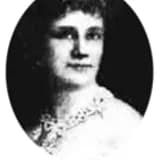
Death of inventor Sarah Mather on June 21, 1868 in New York, shortly after securing her second submarine telescope patent.
Sarah Mather died on June 21, 1868, in New York, closing the life of a little‑documented but historically significant American inventor whose work helped shape early underwater optics.[1][3][10] Her death came only a few years after she secured her second patent for improvements to submarine telescopes, suggesting that she remained intellectually active into her later decades.
By the time of her passing, the United States had emerged from the Civil War, and the importance of underwater observation for naval and commercial purposes was increasingly recognized. Mather’s inventions, though not widely celebrated in her lifetime, anticipated later developments in periscopes and underwater inspection tools used on both civilian vessels and military submarines.[1][3][9] Her designs showed how light, lenses, and watertight housings could work together to make submerged structures visible from the surface—a concept that would be elaborated by subsequent engineers.
Sources indicate that in her later years she was involved in charitable work supporting children of soldiers killed during the Civil War and had connections to literary and publishing activities, suggesting a broad engagement with public life beyond invention.[1][8] Yet, like many women technologists of the 19th century, she died without the kind of institutional recognition granted to male contemporaries. Her contributions were largely forgotten for decades, surviving mainly in scattered patent records and brief biographical entries.
The June 21, 1868 date is now a marker used by historians and educators to frame her story within women’s history in science and engineering. Modern encyclopedias, children’s science books, and popular history articles have reclaimed her legacy, emphasizing that a woman working from Brooklyn in the mid‑19th century devised one of the earliest documented underwater telescopes. Her death thus marks the end of her direct work but also the beginning of a slow rediscovery of her place in the technological and gender history of maritime innovation.