← All women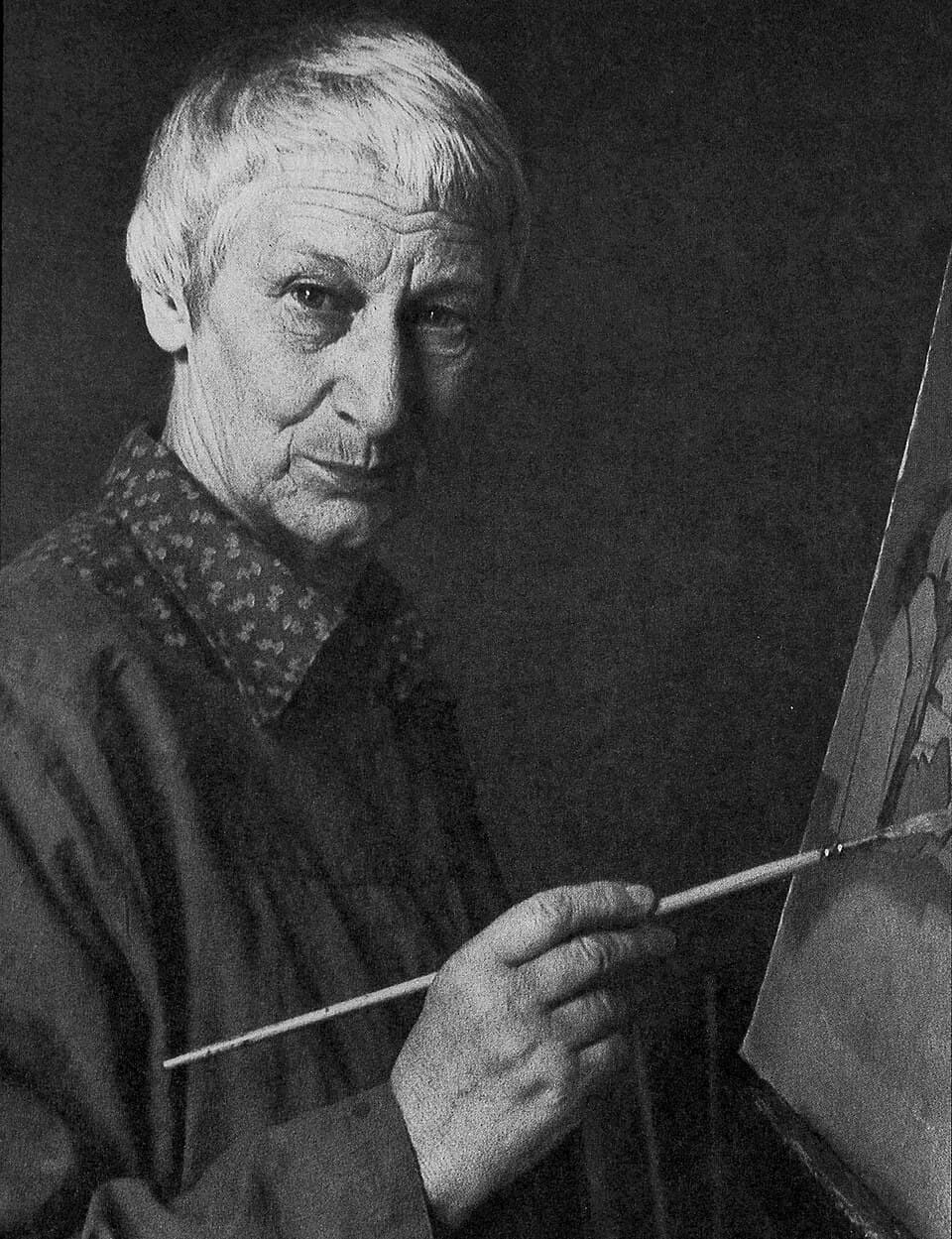
New Zealand · Arts
Rita Angus
March 12, 1908 – January 25, 1970
Early Life and Background
Rita Angus, born Henrietta Catherine Angus on March 12, 1908, in Hastings, New Zealand, was the eldest of seven children. Raised in Palmerston North, she demonstrated artistic talent from a young age. Her passion for art was nurtured by her supportive family environment. Angus attended the Canterbury College School of Art in Christchurch from 1927 to 1933, where she was influenced by the modernist art movement and encountered artists who would shape her artistic journey. Her education at Canterbury was pivotal, fostering a deep commitment to artistic innovation.
Career Beginnings and Development
Angus began her career in the early 1930s, initially taking up commercial art and teaching to support herself. Her distinct style, characterized by bold colors and clear lines, emerged during this period. She developed a particular affinity for landscapes and portraits, focusing on capturing the essence of New Zealand's natural beauty. By the late 1930s, she was exhibiting with the Canterbury Society of Arts and became part of the leading-edge group, The Group, which included influential artists such as Colin McCahon.
Major Works, Discoveries, or Accomplishments
Angus's most celebrated works include "Cass" (1936) and "Portrait of Betty Curnow" (1942). "Cass" is particularly significant for its portrayal of a simple railway station in Canterbury, encapsulating the essence of the New Zealand landscape and symbolizing her deep connection to the land. This painting is considered a masterpiece of New Zealand Modernism.
Awards, Honors, and Recognition Received
Although Angus did not receive major awards during her lifetime, her work gained recognition posthumously. In 2008, a major retrospective was held at the Te Papa Tongarewa Museum of New Zealand, celebrating her contributions to art and affirming her status as a pivotal figure in the nation's cultural history.
Personal Life
Angus's personal life was complex and marked by challenges. She married Alfred Cook in 1930, but the couple separated five years later, largely due to Angus's determination to pursue her art independently. They remained legally married but lived separate lives. Angus faced significant health issues, including periods of depression, which she often addressed through her art.
Legacy and Historical Impact
Rita Angus is remembered as one of the leading figures in New Zealand's art scene. Her paintings have influenced generations of artists and helped shape a distinct national identity in art. Angus's work is celebrated for its clarity, use of color, and ability to capture the spirit of New Zealand.
Later Life and Death
In her later years, Angus continued to paint, although her output was affected by recurring health problems. She died on January 25, 1970, in Wellington, New Zealand, leaving behind a rich legacy of work that continues to be studied and admired.
Dated achievements
2 indexed.
- Mar121908Science
Birth of Rita Angus in Hastings, New Zealand
Rita Angus was born on 12 March 1908 in Hastings, New Zealand, the eldest of five children.
View details Rita Angus - Wikipedia - Jan251970Science
Death of Rita Angus in Wellington
Rita Angus died on 25 January 1970 in Wellington, New Zealand, aged 61, after a long illness.