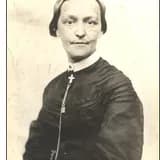
Hanaford was ordained as a Universalist minister, becoming one of the first women in America formally ordained to the ministry.
On February 19, 1868, Phebe Ann Coffin Hanaford was ordained as a Universalist minister, an extraordinary achievement at a time when the ordination of women was almost unheard of in mainstream American Christianity. Her ordination made her one of the earliest women in the United States to be formally recognized as a member of the clergy, following closely behind Olympia Brown, who is often cited as the first woman ordained by a denominational body.
Hanaford's path to ministry emerged from years of lay preaching, writing devotional literature, and active participation in Universalist congregational life. Her ordination was a direct challenge to entrenched theological and social norms that restricted women to domestic and supportive religious roles rather than positions of doctrinal authority and pulpit leadership.
Following her ordination, she went on to serve as pastor of several Universalist churches, including congregations in Massachusetts, Connecticut, and New Jersey, preaching, performing weddings and funerals, and taking on the full pastoral responsibilities of male colleagues. Her success in these roles helped normalize the presence of women in ordained ministry and served as an inspiration to a generation of women who sought greater religious authority. Her ministry also became a platform from which she championed women's suffrage and other reform causes, blending her pastoral vocation with public activism in a way that expanded the perceived scope of women's religious and civic leadership.