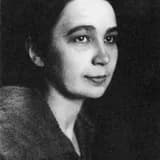
Goncharova's solo exhibition opened at Galerie Paul Guillaume in Paris, marking a landmark moment for a Russian woman artist on the international stage.
In the spring of 1914, Natalia Goncharova held a major solo exhibition at the Galerie Paul Guillaume in Paris, coinciding with her design work for Sergei Diaghilev's Ballets Russes production of Le Coq d'Or. This exhibition was a significant milestone, presenting Goncharova's radical, colorful, and genre-spanning body of work—including Neo-Primitivist, Cubist, and Rayonist paintings—to the sophisticated Parisian art world.
The exhibition catapulted Goncharova to international recognition at a time when few women, and even fewer Russian artists, achieved such prominence in the Western European art scene. Her work challenged prevailing conventions with its bold synthesis of Russian folk-art traditions (lubok prints, icon painting) and cutting-edge European modernism (Cubism, Futurism, Orphism).
This Paris debut solidified her reputation as a leading figure of the international avant-garde and helped pave the way for her permanent relocation to Paris later that year, where she would live and work for the rest of her life alongside her lifelong partner, Mikhail Larionov. The exhibition remains a landmark in the history of women in modern art, exemplifying how Goncharova broke through gender and national barriers to become one of the most celebrated and highest-paid female artists of her generation.