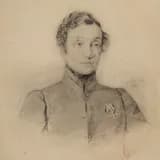
Nadezhda Durova died on March 30, 1866, in Yelabuga, Russia, at age 82, and was buried with full military honors befitting her status as a cavalry officer.
Nadezhda Durova died on March 30, 1866, in the town of Yelabuga in the Vyatka Governorate of the Russian Empire, at the age of 82. She had spent her final decades living quietly, often still dressed in men's clothing and insisting on being addressed by masculine forms of address, having never fully returned to a conventional feminine identity after her military service ended in 1816.
In recognition of her service as a decorated cavalry officer who had fought with distinction against Napoleon's forces, including at the pivotal Battle of Borodino in 1812, Durova was buried with full military honors, an extraordinary tribute for a woman in 19th-century Russia. Her funeral acknowledged the identity she had fought so hard to establish: that of a soldier and officer, not merely a curious woman who had once worn a uniform.
Her death closed the chapter on a life that had produced one of the most remarkable memoirs of the Napoleonic era, The Cavalry Maiden (Zapiski kavalerist-devitsy), published in 1836 with the encouragement of Alexander Pushkin, who greatly admired her story and helped bring it to literary prominence. Durova's legacy endured through the 19th and 20th centuries as a symbol of female courage and gender nonconformity, inspiring later generations of Russian women, including those who served in combat roles in subsequent wars. Her hometown of Yelabuga later established a museum in her honor, and her story continues to be studied as an early and vivid account of gender, identity, and warfare.