← All women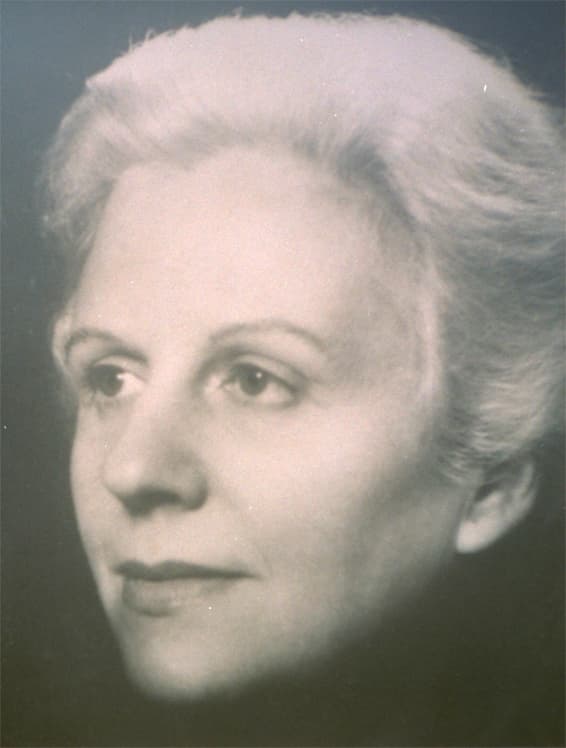
Spanish · Literature
Mercè Rodoreda
October 10, 1908 – April 13, 1983
Early Life and Background
Mercè Rodoreda i Gurguí was born on October 10, 1908, in Barcelona, Spain. Raised in a culturally vibrant environment, she was deeply influenced by her maternal grandfather, Pere Gurguí, a reputed botanist and supporter of Catalan culture. This familial influence instilled in her a love for Catalan traditions and literature despite the dominating Spanish cultural narrative of the era.
Rodoreda's education was primarily guided at home, which was common for many women at the time. Her early exposure to language and literature through beloved Catalan writers laid the groundwork for her literary pursuits. The societal limitations placed on women indirectly strengthened her resolve to pursue writing as a means of personal and cultural expression.
Career Beginnings and Development
Rodoreda began her career as a journalist and writer in the late 1920s, contributing articles to various Catalan newspapers. The Spanish Civil War and its aftermath profoundly affected her, leading her to seek refuge in France. This period of exile became crucial for her literary evolution.
Throughout the 1940s and 1950s, while living in France and later Switzerland, Rodoreda's writing matured, characterized by introspective narratives that poignantly captured the emotional landscape of her generation. Her novels began to resonate with readers beyond Catalonia, revealing the universal themes of alienation and perseverance.
Major Works and Accomplishments
In 1962, Rodoreda published her seminal novel, "La plaça del Diamant" (known in English as "The Time of the Doves"), which intricately depicted the life of a woman during the Spanish Civil War. This novel is lauded for its deep psychological insight and its ability to capture the essence of human struggle against the backdrop of historical turmoil. It remains one of the most translated Catalan novels.
Her later works, such as "El carrer de les Camèlies" (1966) and "Mirall trencat" (1974), further established her as a leading figure in contemporary Catalan literature. Rodoreda's writings are celebrated for their lyrical quality and their profound exploration of themes such as identity, memory, and loss.
Awards, Honors, and Recognition
Rodoreda received numerous accolades throughout her career, including the Premi d'Honor de les Lletres Catalanes in 1980, one of the most distinguished awards recognizing contributions to Catalan literature. Her work continues to influence writers both within and beyond the Catalan-speaking world.
Personal Life
Despite her contributions to literature, Rodoreda's personal life was marked by significant hardship. Her marriage to her uncle, Joan Gurguí, was an unhappy one, ultimately ending in separation. This relationship and its dissolution played a vital role in shaping the depth and sensitivity found in her works regarding the role of women and personal independence.
Legacy and Historical Impact
Mercè Rodoreda's legacy is one of transcendent literary artistry and cultural perseverance. Her works serve as a monumental testament to the power of storytelling amidst personal and political adversity. Regarded as one of Catalonia’s most important writers, her novels continue to be studied and cherished, embodying the resilient spirit of Catalan culture.
Later Life and Death
Rodoreda spent her later years in Switzerland, where she continued writing until her health declined. She passed away on April 13, 1983, leaving behind a profound literary legacy that continues to inspire and resonate across generations of readers and scholars.
Dated achievements
2 indexed.
- Oct101908Literature
Born in Barcelona
Mercè Rodoreda i Gurguí was born in Barcelona, in the Sant Gervasi de Cassoles neighborhood, into a family devoted to Catalan culture and literature.
View details Wikipedia: Mercè Rodoreda - Apr301983Literature
Death in Girona
Mercè Rodoreda died in Girona, Catalonia, on April 30, 1983, having returned to Catalonia after decades of exile.