← All women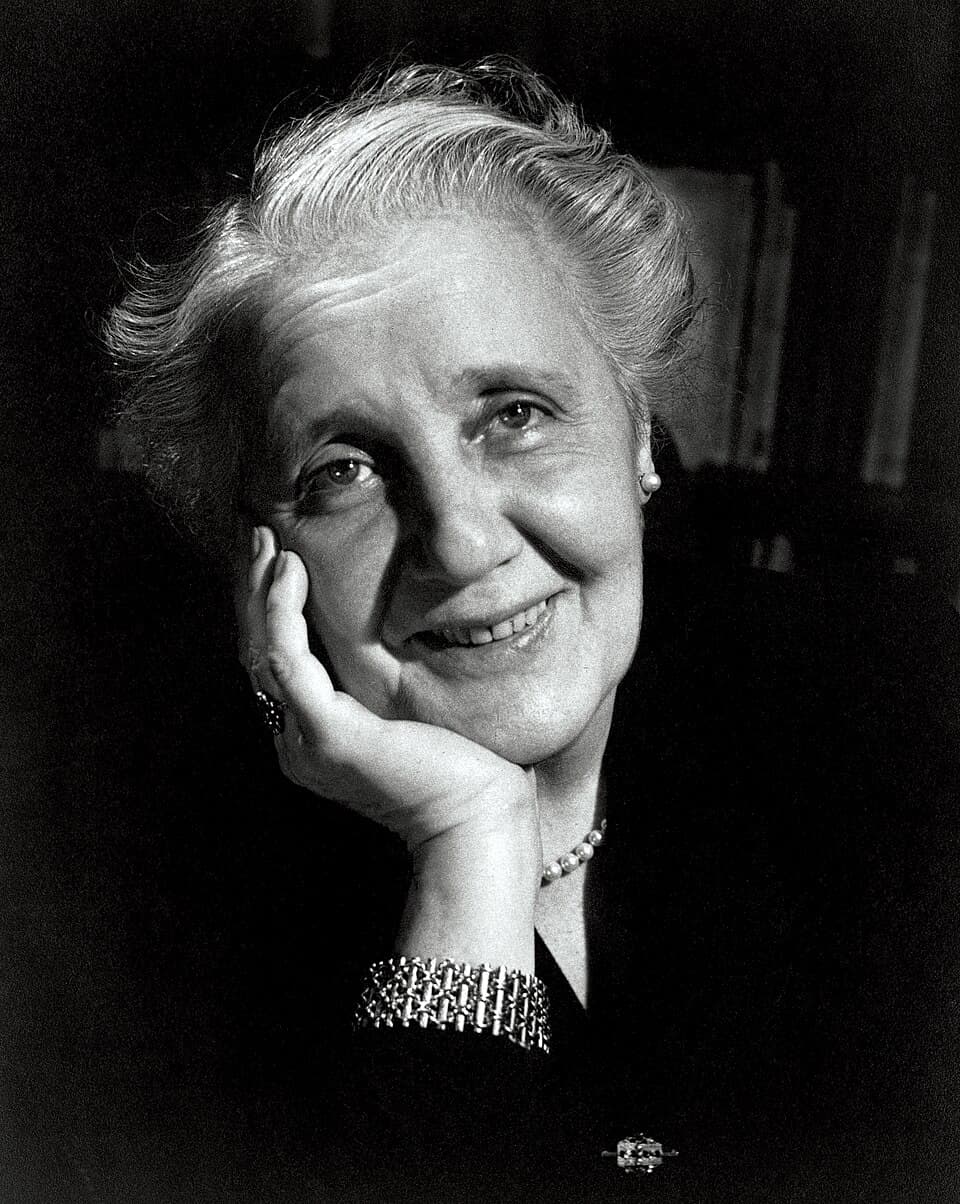
Austrian, British · Medicine
Melanie Klein
March 30, 1882 – September 22, 1960
Early Life and Background
Melanie Klein was born on March 30, 1882, in Vienna, Austria, to a middle-class Jewish family. Her father, Moriz Reizes, was a successful doctor, and her mother, Libussa Deutsch, had a keen interest in literature and education. Klein was the youngest of four children and had aspirations to become a doctor under her father's influence. However, out of financial necessity and personal circumstances, her education was cut short.
Career Beginnings and Development
Klein’s interest in psychoanalysis began after her marriage to industrial chemist Arthur Klein in 1903 and subsequent moves across Europe. Her foray into psychoanalysis was inspired by her own analysis with Sándor Ferenczi and Karl Abraham. Klein emigrated to Berlin, where she joined the Berlin Psychoanalytic Society and was encouraged to take up psychoanalysis as a career by Abraham.
Major Works and Accomplishments
Klein is best known for her pioneering work in child psychoanalysis and development of the object relations theory. Her methods diverged from Freud, as she used observation of children’s play to interpret the unconscious. Notable concepts introduced by Klein include the paranoid-schizoid and depressive positions, theories on the psychological makeup of infants which continue to influence psychoanalytic schools today.
In 1921, she moved to London upon invitation, marking a significant expansion of her influence. Klein's innovative approach earned her much controversy and led to the ideological split within the British Psychoanalytical Society during the 1940s and 1950s, known as the 'Controversial Discussions.' Her notable works include "The Psycho-Analysis of Children" (1932) and "Notes on Some Schizoid Mechanisms" (1946).
Awards, Honors, and Recognition
While Klein did not receive formal awards or honors during her lifetime, her profound impact on psychoanalysis was acknowledged posthumously. She was regarded as one of the founding figures of object relations theory, which has been a major school of thought within psychoanalysis.
Personal Life
Klein's personal life was fraught with challenges, including a troubled marriage which ended in divorce. She faced personal tragedies, including the death of her son Hans in a mountain climbing accident. Her daughter, Melitta Schmideberg, also a psychoanalyst, was a prominent critic of Melanie’s theories.
Legacy and Historical Impact
Klein’s contributions greatly impacted the field of psychoanalysis, particularly in understanding early childhood experiences and their effect on personality development. Her techniques have been applied in various therapeutic settings, and her theories form a core part of psychoanalytic training and practice worldwide. Klein's influence extends beyond psychoanalysis into fields such as psychology, sociology, and even literary criticism, highlighting her broad impact.
Later Life and Death
Melanie Klein continued her work and remained active in the psychoanalytic community until her death on September 22, 1960, in London. Her legacy endures through the Melanie Klein Trust, established to promote her work and encourage new research in the field.
Dated achievements
2 indexed.
- Mar301882Science
Born in Vienna, Austria-Hungary
Melanie Klein born on March 30, 1882, in Vienna, the youngest of four children of Moriz Reizes and Libussa Deutsch.
View details Melanie Klein - Wikipedia - Sep221960Science
Died in London, England
Melanie Klein died on September 22, 1960, in London, having spent her final decades developing psychoanalytic theory in Britain.