← All women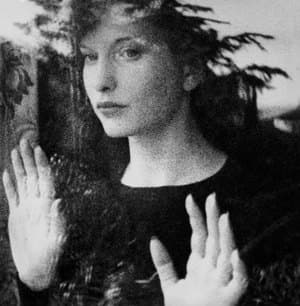
Russian, American · Arts
Maya Deren
April 29, 1917 – October 13, 1961
Early Life and Background
Maya Deren was born as Eleanora Derenkowsky on April 29, 1917, in Kyiv, Ukraine, then part of the Russian Empire. Her family fled to the United States in 1922 due to anti-Semitic pogroms and the aftermath of the civil unrest following the Russian Revolution. She grew up in Syracuse, New York. Deren’s father, Solomon Derenkowsky, became a psychiatrist, which influenced her interest in the subconscious. Maya was educated at the New School for Social Research and later Smith College, where she developed a passion for literature, poetry, and film.
Career Beginnings and Development
After college, Deren worked as a secretary to choreographer Katherine Dunham. Her exposure to dance deeply impacted her artistic vision, leading her to experiment with film as a medium to express movement and emotion. In 1943, she began making her own films, co-directing her first major work, Meshes of the Afternoon, with then-husband Alexander Hammid. This groundbreaking work set a new precedent for narrative avant-garde cinema with its dreamlike sequences and psychological complexity.
Major Works and Accomplishments
Deren's oeuvre includes short films such as At Land (1944), A Study in Choreography for Camera (1945), Ritual in Transfigured Time (1946), and Meditation on Violence (1948). Her works are characterized by their poetic imagery and exploration of ritualistic and mythological themes. Deren’s innovative editing and camera techniques inspired future generations of filmmakers, establishing her as a pivotal figure in avant-garde and experimental cinema.
Awards, Honors, and Recognition
Although Deren did not receive mainstream awards during her life, her contributions were later recognized posthumously. Institutions and film festivals honoring experimental film frequently cite her work, showcasing her continued influence on new generations of filmmakers.
Personal Life
Deren married several times, her most notable marriage being to Czech cinematographer Alexander Hammid, with whom she collaborated on several film projects. Her personal and professional life intertwined as she devoutly pursued creative collaborations and artistic exploration.
Legacy and Historical Impact
Maya Deren's films remain a cornerstone in the history of American avant-garde cinema. Her explorations in film opened new avenues for female directors and contributed significantly to the experimental film movement worldwide. Her pioneering spirit and innovative techniques continue to influence filmmakers and artists globally.
Later Life and Death
Maya Deren’s later years were consumed by her interest in Haitian Vodou, which influenced her unfinished film Divine Horsemen: The Living Gods of Haiti. She passed away on October 13, 1961, at the age of 44 in New York City. Deren left behind a legacy as a trailblazing filmmaker whose work achieved legendary status.
Dated achievements
2 indexed.
- Apr291917Arts
Born Eleanora Derenkowsky in Kyiv, Russian Empire
Maya Deren was born Eleanora Derenkowsky on April 29, 1917, in Kyiv, then part of the Russian Empire (present-day Ukraine).
View details Maya Deren - Wikipedia - Oct131961Arts
Died in New York City
Maya Deren died on October 13, 1961, in New York City at age 44 from a brain hemorrhage attributed to malnutrition and amphetamine use.