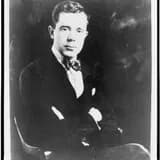
Maud Gonne died on April 27, 1953, in Clonskeagh, Dublin, aged 86, having lived to see Irish independence she fought for.
Maud Gonne died on April 27, 1953, at her home in Clonskeagh, Dublin, at the age of 86. She had lived long enough to witness the establishment of the Irish Free State in 1922 and later the Republic of Ireland in 1949, causes to which she had devoted the majority of her adult life.
By the time of her death, Gonne was recognised as one of the towering figures of Irish nationalism and cultural revival: founder of Inghinidhe na hÉireann, a fierce advocate for Irish political prisoners, a muse and creative collaborator of W. B. Yeats (who proposed marriage to her multiple times and was refused each time), and mother of Seán MacBride, who would go on to serve as Irish Minister for External Affairs and later win the Nobel Peace Prize in 1974 for his human rights work.
She was given a state funeral procession through Dublin, reflecting the esteem in which she was held by the Irish state and public despite her often confrontational relationship with various governments over the decades, including her continued criticism of Irish policy toward political prisoners.
Gonne was buried in Glasnevin Cemetery, Dublin, in the republican plot, near many other figures of the independence movement. Her life remains emblematic of the intersection between Irish nationalism, feminism, and the arts, and she continues to be studied as one of the most compelling and controversial women of modern Irish history.