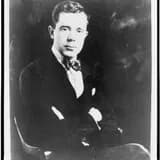
The Easter Rising began April 24, 1916; Gonne's estranged husband John MacBride was executed for his role, transforming her into a symbol of nationalist sacrifice.
The Easter Rising began on April 24, 1916, when Irish republicans launched an armed insurrection against British rule in Dublin. Although Maud Gonne was in France at the time and did not participate directly, the Rising had a profound personal and political impact on her life.
Her estranged husband, Major John MacBride, took part in the fighting and was subsequently court-martialled and executed by firing squad on May 5, 1916, alongside other Rising leaders. His execution, despite their troubled marriage, cast Maud Gonne into the role of widow of an executed patriot, a status of great symbolic resonance within the nationalist movement.
The Rising and its bloody aftermath radicalised Irish public opinion and accelerated the movement toward full independence, a cause Gonne had championed for decades through her writing, oratory, and organisational work. She returned to Ireland afterward, defying a British ban on her re-entry, and continued her activism, later being imprisoned without trial in England in 1918 as part of the crackdown on suspected Sinn Féin sympathisers.
This period cemented Gonne's transformation from a celebrated beauty and muse of W.B. Yeats into a hardened political actor whose personal losses were entwined with the birth of the Irish Free State.