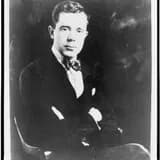
Maud Gonne married Irish nationalist and Boer War veteran Major John MacBride in Paris.
On February 21, 1903 (civil ceremony) with the religious marriage often dated to February 1903 and sometimes recorded around early April in various records, Maud Gonne married Major John MacBride in Paris. MacBride was an Irish nationalist who had gained fame commanding the Irish Transvaal Brigade against the British during the Second Boer War.
The marriage was controversial and short-lived; the couple had one son, Seán MacBride, born in 1904, who later became a prominent Irish statesman and Nobel Peace Prize laureate. Maud and John separated acrimoniously within a few years amid allegations of abuse and infidelity, and Maud sought custody of their son through French courts, as divorce was not available to her in the way she needed under Irish/British law.
Despite their estrangement, the union linked two significant strands of Irish revolutionary history. MacBride was later executed by British forces in 1916 for his role in the Easter Rising, and Maud, though separated from him, wore mourning and claimed the status of widow of a executed patriot, a status that carried symbolic weight in nationalist circles.
The marriage remains a significant, if painful, chapter illustrating the personal costs borne by women deeply embedded in revolutionary politics.