← All women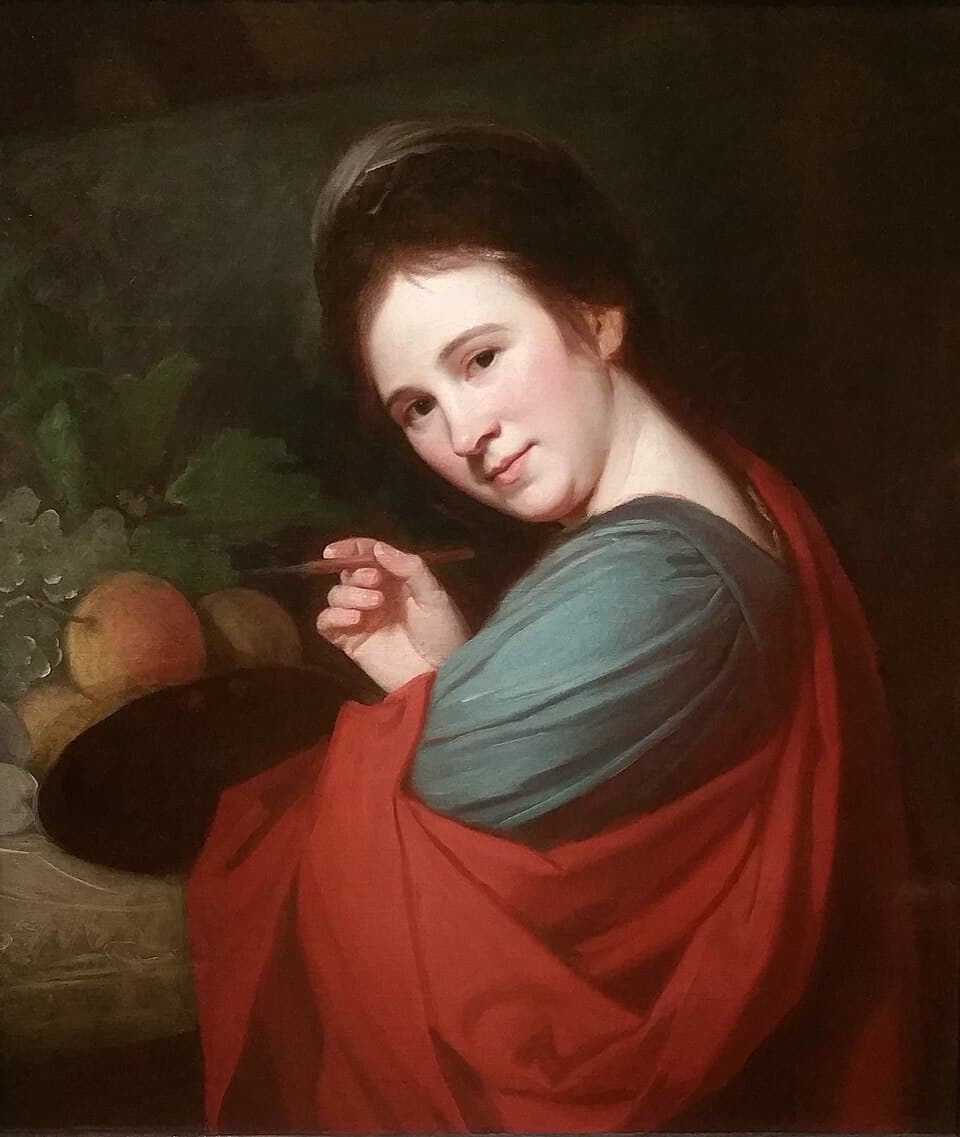
British · Arts
Mary Moser
October 27, 1744 – May 2, 1819
Early Life and Background
Mary Moser was born on October 27, 1744, in London, England. She was the daughter of George Michael Moser, a Swiss-born artist and enameler who was instrumental in founding the Royal Academy of Arts. Her father was not only her familial support but also an educational influence, nurturing her artistic talent from a young age. The milieu of creativity in which she was raised allowed Moser to develop her skills in the arts, primarily focusing on painting.
Career Beginnings and Development
Mary Moser's career began to flourish in her teens, as she exhibited her works and drew the attention of prominent figures in the art world. Her floral paintings became particularly noteworthy, showcasing her skill in painting from real-life observations—an essential technique during the late Baroque and early Neoclassical periods of art. Her unique ability to capture the delicate nature of flowers on canvas demonstrated her technical mastery and artistic vision.
Major Works and Accomplishments
Among her greatest achievements was becoming a founding member of the Royal Academy of Arts in 1768, where she was one of only two female founding members, the other being Angelica Kauffman. This was a notable accomplishment due to the male-dominated landscape of art institutions at the time. Moser exhibited her works at the Royal Academy annually, contributing significantly to its early exhibitions with her detailed floral compositions.
Awards, Honors, and Recognition
Achieving the status of a Royal Academician was a significant honor for Mary Moser. Although she did not receive formal awards as artists might today, her role as a trailblazer for women in the arts was groundbreaking. Her works were in high demand, including commissions from royalty.
Personal Life
Mary Moser married Captain Hugh Lloyd in 1793, after which she began to reduce her artistic output. Although she married late in life, records indicate that her marriage was supportive of her career, allowing her to continue her work to some extent.
Legacy and Historical Impact
Mary Moser's legacy is rooted in her contributions to elevating the status of women within the arts, challenging the norms of her time. As a pioneering female artist, she inspired future generations of women to pursue careers in art and pushed institutions to become more inclusive. Her work is remembered for both its artistic beauty and its representation of a significant moment in history for female artists.
Later Life and Death
Later in life, Moser continued to paint on occasion but largely stepped back from her prolific early career. She passed away on May 2, 1819, leaving behind a legacy that paved the way for equality and recognition of female artists in subsequent generations.
Dated achievements
3 indexed.
- Oct271744Science
Birth of Mary Moser in London
Mary Moser was born on 27 October 1744 in London, daughter of Swiss-born enamellist and goldsmith George Michael Moser.
View details Mary Moser - Wikipedia - Dec101768Arts
Founding Member of the Royal Academy of Arts
Mary Moser became one of only two women (with Angelica Kauffman) among the 36 founding members of the Royal Academy of Arts, London.