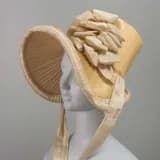
Mary Kies became the first woman granted a U.S. patent, for a technique of weaving straw with silk and thread, used in hat-making.
On May 21, 1809, Mary Dixon Kies of South Killingly, Connecticut, became the first American woman to be granted a United States patent. Her patent covered a new method of weaving straw with silk and thread, a technique that improved the manufacture of straw hats and bonnets, which were extremely fashionable and economically important at the time.
Before Kies, women who obtained patents in the early republic often had to do so under a male relative's name, since married women in particular faced severe legal restrictions on property and contract rights under coverture laws. Kies's patent, issued directly in her own name and signed by then-Secretary of State James Madison, marked a milestone in recognizing women as legitimate inventors and economic agents in their own right.
Her innovation arrived amid the Embargo Act of 1807 and the broader push toward American self-sufficiency in textiles, as trade restrictions with Britain drove domestic industries, including hat-making, to flourish. Kies's technique helped New England's straw hat industry compete and thrive, and First Lady Dolley Madison is said to have praised her for boosting the domestic economy.
Unfortunately, the original patent documentation, along with thousands of others, was destroyed in the 1836 Patent Office fire, so no drawing or detailed description survives today. Nonetheless, Kies's achievement is preserved in patent office records and later scholarship as a foundational moment for women's participation in American innovation, and she was posthumously inducted into the National Inventors Hall of Fame in 2006.