← All women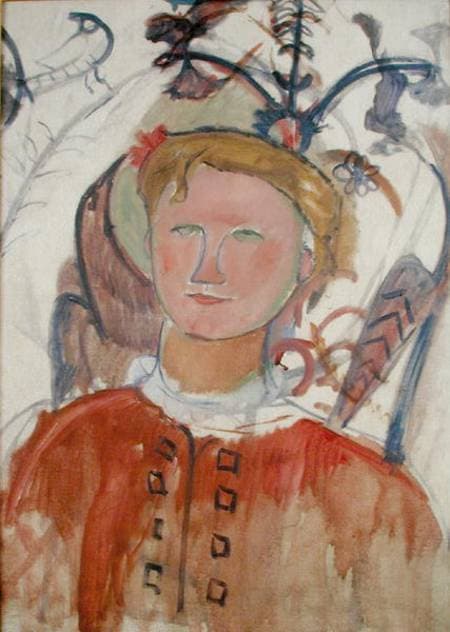
Russian · Arts
Marie Vassilieff
February 12, 1884 – May 14, 1957
Early Life and Background
Marie Vassilieff was born on February 12, 1884, in Smolensk, Russia. She came from a middle-class family and was exposed to artistic influences from a young age. Her mother, appreciating the arts, encouraged her pursuit of creative endeavors. Vassilieff's initial education was at the Imperial Academy of Arts in St. Petersburg, where she received classical training.
Career Beginnings and Development
In 1905, Vassilieff moved to Paris, drawn by the thriving art scene. She enrolled at the Académie de la Palette and later joined the prestigious Académie Russe, where she was introduced to modernist ideas. Influenced by the dynamic art movements of the time, Vassilieff became involved with other avant-garde artists.
Her breakthrough came when she founded her own art academy, the Académie Vassilieff, in Montparnasse around 1912. This venue quickly became a hub for artists, allowing her to collaborate with and teach future luminaries such as Fernand Léger and Amedeo Modigliani.
Major Works, Discoveries, or Accomplishments
Marie Vassilieff produced several significant works during her career. Her interest in cubism led to unique paintings and sculptures characterized by a bold use of color and form. Her works from the 1920s, such as "La Convalescent" and "Danseuse Due," exemplify her distinct style merging Russian folk elements with Parisian avant-garde trends.
Awards, Honors, and Recognition Received
While not formally recognized during her lifetime with major awards, Vassilieff was respected within the artist community for her leadership and contributions to modern art. She managed to create a vital space for innovation through her academy, influencing generations of artists.
Personal Life
Despite her deep involvement in the artistic ventures, Vassilieff maintained a private life. She was known to have developed friendships with many influential artists of the time, yet she largely kept her personal affairs out of the public eye. Her loyalty to the Montparnasse community was lifelong.
Legacy and Historical Impact
Marie Vassilieff's legacy lies in her role as a catalyst for the artistic transformations that defined early 20th-century Paris. Her Montparnasse academy was crucial in fostering dialogues among artists and launching numerous careers. Her blend of Russian and Parisian stylistic elements contributed uniquely to the cubist movement.
Later Life and Death
As World War II loomed, Vassilieff's prominence diminished, but she continued to create and even expanded her artistic interests into puppet-making and set design. Marie Vassilieff passed away on May 14, 1957, in Paris. Her death marked the end of an era for Montparnasse, but her contributions to the art community remained pivotal in the narratives of modern art history.
Dated achievements
2 indexed.
- Apr031884Science
Born in Smolensk, Russian Empire
Marie Vassilieff was born Maria Ivanovna Vasilyeva in Smolensk, Russia, on April 3, 1884.
View details - May141957Science
Died in Nogent-sur-Marne, France
Marie Vassilieff died on May 14, 1957, in Nogent-sur-Marne, near Paris, largely forgotten by the art world she had helped shape.
View details