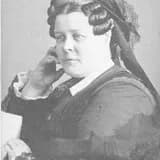
Elected Fellow of the Royal Society of Canada, becoming the second woman member for work on cereal rusts.
On 1 June 1942, Margaret Newton was elected a Fellow of the Royal Society of Canada (FRSC), becoming only the second woman ever elected to this prestigious national academy.
The Royal Society of Canada recognised her extensive and influential research on cereal crop rusts, particularly wheat stem rust, which had helped protect Canada’s grain harvests and economy. Fellowship was one of the highest scientific honours in the country, and at the time the Society’s membership remained overwhelmingly male, reflecting broader exclusion of women from elite scientific institutions.
Newton’s election on 1 June 1942 was therefore a major milestone for women in Canadian science. It signalled that sustained, high-impact research by a woman in an applied agricultural field could merit the same recognition as work in more established disciplines, and it challenged lingering perceptions that agricultural pathology was secondary or purely practical.
Her Fellowship also raised the profile of plant pathology and rust research within Canada’s scientific community, underscoring the national importance of safeguarding wheat and other cereals from devastating diseases. Newton’s presence in the Royal Society of Canada contributed to incremental change in attitudes toward women scientists and reinforced her status as a role model for younger women entering research careers in agriculture, biology, and mycology.