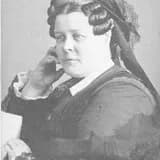
With colleague Johnson, Newton demonstrates Mendelian inheritance of virulence in wheat stem rust races.
Around 15 March 1930, working with colleague Johnson, Margaret Newton conducted and published pioneering experiments on Mendelian inheritance of virulence in a plant pathogenic fungus, specifically wheat stem rust Puccinia graminis.
By crossing distinct rust races and analysing the virulence patterns in the F1 and F2 generations on different wheat varieties, Newton and Johnson showed that virulence traits in the pathogen segregated in ratios consistent with Mendelian genetic principles. This was one of the earliest demonstrations that pathogenicity and virulence in plant fungi could be understood in terms of discrete heritable factors, paralleling genetic studies in plants and animals.
The March 1930 work was scientifically significant because it provided a genetic framework for understanding how rust races emerge and adapt to resistant wheat varieties. It helped explain why resistance could break down when new pathogen races arose and underscored the need for ongoing surveillance and breeding work, rather than assuming resistance would be permanent.
This demonstration also contributed to the broader conceptual development of the "gene-for-gene" relationship between host resistance and pathogen virulence that would influence plant pathology and breeding for decades. Newton’s ability to apply rigorous genetic analysis to a field disease problem showcased the sophistication of her research and strengthened the case for integrating genetics with plant disease control in an era when such approaches were still emerging.